The U.S. crypto industry is watching Washington with fresh urgency after Patrick Witt, a senior digital asset adviser, said the administration expects the CLARITY Act to pass by July 4. The t
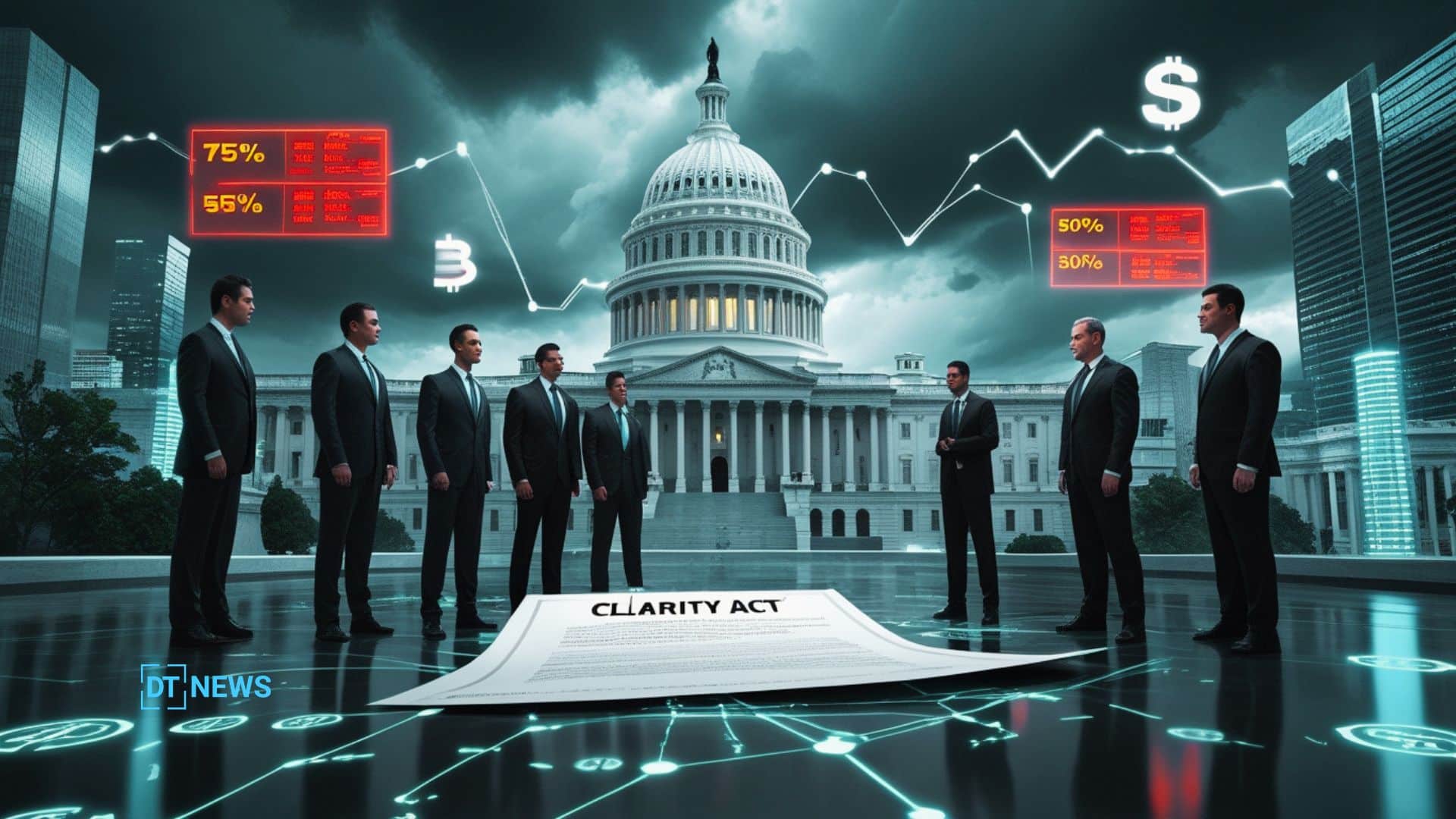
The U.S. crypto industry is watching Washington with fresh urgency after Patrick Witt, a senior digital asset adviser, said the administration expects the CLARITY Act to pass by July 4. The timeline matters because this bill could finally answer one of the sector’s oldest questions: who regulates what in crypto? For years, digital asset firms have operated in a gray zone between securities law, commodities oversight, court rulings, and enforcement actions. Now, lawmakers appear closer to creating a national framework that could reshape exchanges, token launches, custody rules, and investor protection standards.
Why the CLARITY Act Matters for Crypto Regulation
The CLARITY Act is designed to divide oversight between the Securities and Exchange Commission and the Commodity Futures Trading Commission. That may sound technical, but it is the heart of the debate. If a token is treated like a security, it faces one set of rules. If it is treated as a digital commodity, it falls under another.
That split has caused years of confusion for builders, exchanges, and investors. Some projects have delayed U.S. launches because they could not clearly tell whether a token would trigger securities rules after it began trading. Others faced lawsuits after regulators argued that existing law already covered their activity.
Under the CLARITY Act, digital asset platforms would have a more defined path for registration, disclosures, custody, and trading standards. It would not mean a free pass for crypto companies. In fact, the bill would bring more formal obligations. The difference is that firms would know the road signs before driving, rather than learning the rules through penalties after the fact.

July 4 Target Raises Pressure on Congress
Witt’s July 4 timeline gives the bill a symbolic deadline, but also a political test. Lawmakers still need to align competing views from banking groups, crypto advocates, consumer protection voices, and market regulators. The stablecoin rewards debate has been one of the more sensitive issues, especially where banks worry that yield-style incentives could pull deposits away from traditional accounts.
If the CLARITY Act moves on that schedule, it would mark one of the strongest signs yet that Washington wants crypto inside the regulated financial system rather than outside it. That shift would be important for large exchanges, broker-dealers, token issuers, custody providers, and funds waiting for clearer compliance rules.
The timing also comes as other jurisdictions, including the UAE, Singapore, Hong Kong, and the European Union, have moved faster on digital asset frameworks. U.S. policymakers know that capital tends to follow certainty. When rules are clearer abroad, companies can relocate teams, product launches, and investment activity with fewer legal surprises.
Crypto Market Impact and Key Indicators to Watch
For the market, the CLARITY Act could affect sentiment before it affects operations. Traders may first watch Bitcoin dominance, Ethereum open interest, stablecoin inflows, exchange volumes, and crypto equity performance. These indicators often show whether investors believe regulation will unlock new institutional participation or add heavier compliance costs.
Bitcoin could benefit if clearer rules improve institutional confidence, but altcoins may react in a more mixed way. Tokens with strong decentralization claims could gain attention, while projects with unclear issuer control may face tighter review. Ethereum and other smart contract platforms may also come into focus because many tokenized assets, DeFi protocols, and stablecoin systems depend on those networks.
Exchange tokens and crypto infrastructure firms may see the sharpest near-term reaction because market structure rules directly affect trading venues. Still, investors should avoid assuming that regulation automatically pushes prices higher. Clearer rules can support long-term adoption, but they can also expose weak projects that relied on ambiguity.
What Comes Next for Digital Assets
The CLARITY Act is not only about crypto headlines, it is about whether the U.S. can build a workable system for digital finance without forcing every dispute into court. If passed, the bill could give agencies clearer roles, give companies a compliance route, and give investors better protection around disclosures and custody.
Even so, implementation would take time as regulators would still need to write rules, platforms would need to adapt systems, and token issuers would need to prove where they fit under the new framework. The first reaction may come from markets, but the real test would come later, in licensing, enforcement, and daily operations.
Conclusion
The July 4 target gives the CLARITY Act a clear political moment, but the larger issue is whether Washington can finally replace crypto uncertainty with rules that are strict, usable, and fair. If lawmakers deliver, the U.S. digital asset market could move from legal guesswork toward a more structured phase. That would not remove risk from crypto, but it would make the playing field easier to understand.
Frequently Asked Questions
What is the CLARITY Act? The CLARITY Act is a proposed U.S. crypto market structure bill that aims to define how digital assets are classified and regulated.
Why does the July 4 deadline matter? The date gives lawmakers a clear target and signals that the administration wants crypto rules passed before the summer policy window tightens.
Will the bill make all crypto tokens legal? No. The bill would create clearer categories and compliance rules, but projects would still need to meet legal, disclosure, and investor protection standards.
Glossary of Key Terms
Digital commodity: A crypto asset that may fall under commodities oversight rather than securities regulation.
SEC: The U.S. regulator that oversees securities markets and investment products.
CFTC: The U.S. regulator that oversees commodities and derivatives markets.
Market structure: The legal and operational framework that defines how assets are issued, traded, settled, and supervised.
Sources
coinmedia
coindesk
Disclaimer: This article is for informational purposes only and does not provide financial, legal, or investment advice. Crypto assets are volatile, and readers should conduct independent research before making any decision.