Markets5 min read
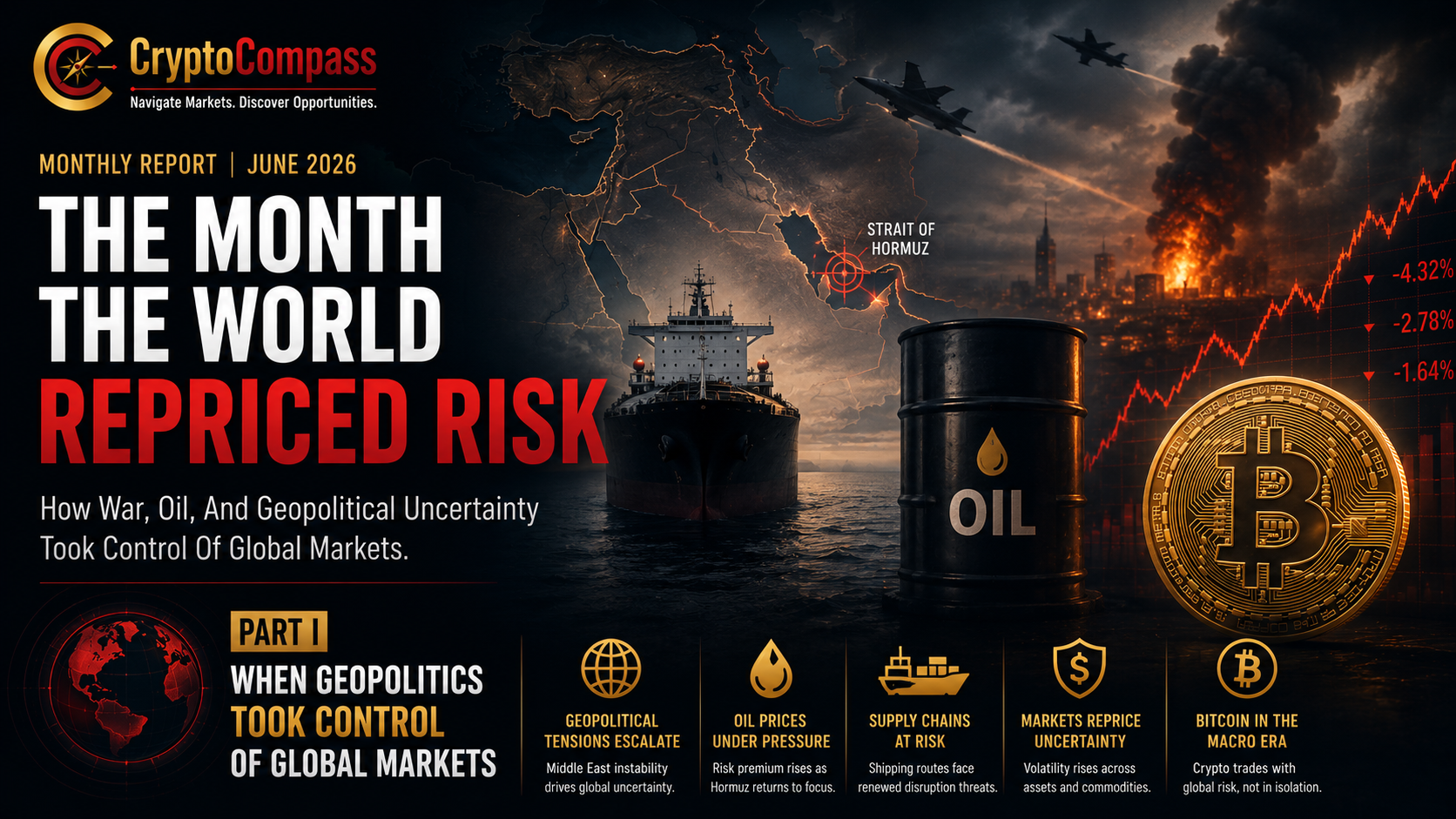
Monthly Report | Part IV — Looking Ahead: What July Could Change
Geopolitical tensions reminded investors that global markets remain vulnerable to external shocks.
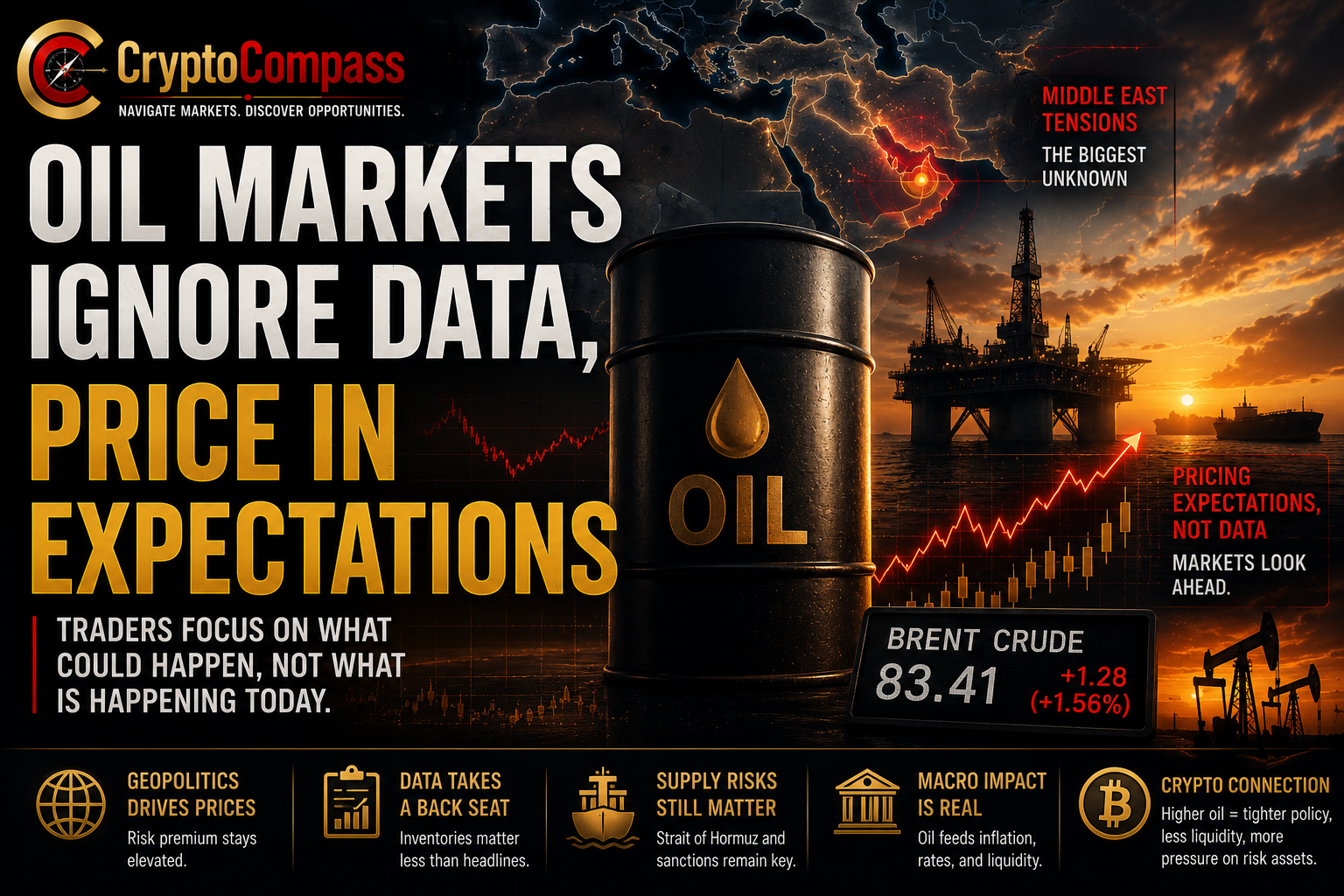
Oil prices were relatively stable this week, but analysts say the market is increasingly being driven by expectations rather than current supply-and-demand data.
Oil Traders Are Looking Beyond Today's Supply
Oil prices were relatively stable this week, but analysts say the market is increasingly being driven by expectations rather than current supply-and-demand data.
According to economists at Commerzbank, recent price action reflects what traders believe could happen over the coming months—not necessarily what is happening today.
That distinction is becoming increasingly important for investors across commodities, equities, and cryptocurrencies.
Expectations Have Become The Main Market Driver
Energy markets have always been forward-looking.
However, geopolitical uncertainty in the Middle East has amplified that tendency.
Instead of reacting solely to inventories or production numbers, traders are now pricing in potential risks including:
Supply disruptions
Shipping constraints
OPEC+ production decisions
Sanctions
Escalating geopolitical tensions
As a result, oil prices can remain elevated even when current supply conditions appear comfortable.
Why Expectations Matter More Than Inventories
Traditional commodity analysis focused heavily on physical fundamentals:
Global production
Storage levels
Refinery demand
Seasonal consumption
Today, financial markets increasingly trade expectations.
A single geopolitical headline can move prices more aggressively than weekly inventory reports.
This shift reflects the growing influence of hedge funds, algorithmic trading, macro funds, and options markets.
Geopolitics Remains The Largest Variable
Although immediate fears surrounding the Strait of Hormuz have eased compared with earlier weeks, markets continue assigning a geopolitical risk premium to crude oil.
Investors remain focused on:
Iran
Israel
U.S. foreign policy
Maritime security
OPEC coordination
None of these factors guarantee supply disruption.
But they increase uncertainty, which markets tend to price before events actually occur.
Why Crypto Investors Should Care
Oil rarely moves crypto directly.
Instead, it influences the macro variables that matter most.
Higher oil prices can contribute to:
Higher inflation
Stronger U.S. dollar
Higher Treasury yields
Delayed Federal Reserve rate cuts
Reduced global liquidity
Those conditions generally create headwinds for risk assets, including cryptocurrencies.
Conversely, if oil prices retreat significantly, inflation expectations may soften, improving the outlook for monetary easing and broader market liquidity.
Markets Trade Probability, Not Certainty
One of the biggest misconceptions among retail investors is assuming markets react only after events happen.
Professional markets price probabilities.
By the time a geopolitical event officially occurs, much of its expected impact may already be reflected in prices.
This explains why markets sometimes fall on "good news" or rally despite negative headlines.
Expectations—not facts alone—drive valuation.
CryptoCompass View
Commerzbank's observation serves as a reminder that modern financial markets are increasingly governed by expectations rather than present conditions.
Oil is no longer just an energy story.
It has become a key input into inflation forecasts, central bank policy, bond yields, equity valuations, and ultimately crypto liquidity.
For crypto investors, monitoring oil prices is less about predicting gasoline costs and more about understanding the macro forces shaping global capital flows.