Developers reportedly reorganized the chain to erase blocks tied to a flaw that let new coins be created outside protocol rules. Zano, a privacy-oriented cryptocurrency project, has reportedl
Developers reportedly reorganized the chain to erase blocks tied to a flaw that let new coins be created outside protocol rules.
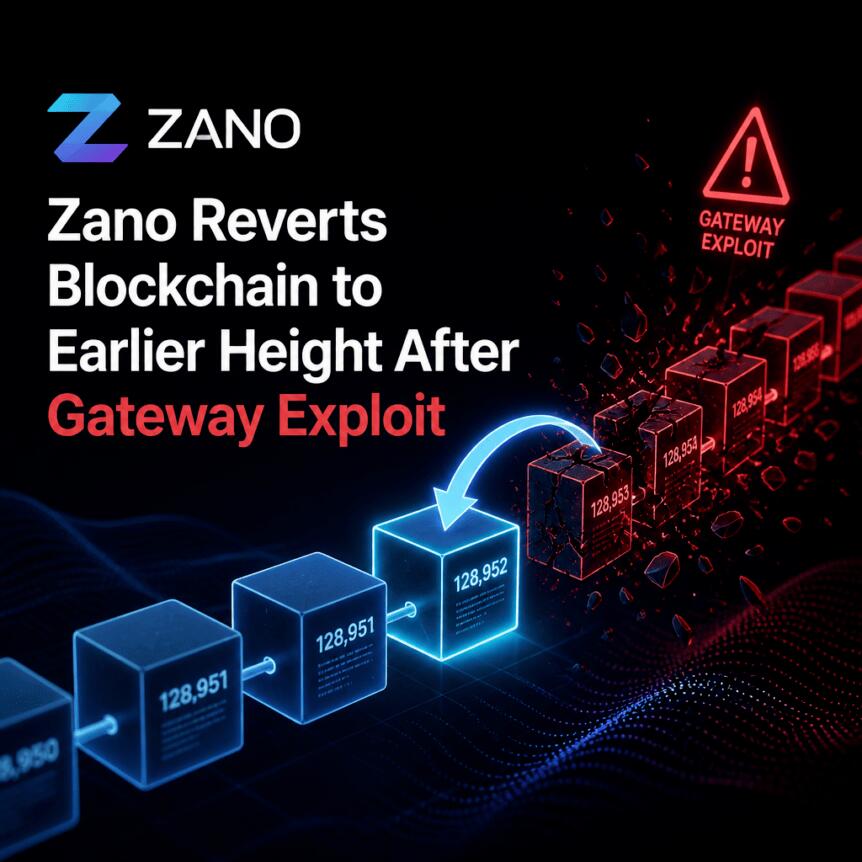
Zano, a privacy-oriented cryptocurrency project, has reportedly rolled back approximately one month of its blockchain history to address a bug that allowed coins to be generated outside its designed monetary policy. Bitcoin.com News reported the fix, describing the flaw as a significant inflation vulnerability.
Inflation bugs are among the most serious defects a blockchain project can face. They strike at the core promise of most cryptocurrencies: a fixed or predictable supply schedule that cannot be altered by any single party. When a bug allows coins to be created outside those rules, it can undermine the scarcity assumptions that give a token its value proposition.
Rolling back blockchain history is an unusual and drastic remedy. It effectively discards a portion of the transaction record and replaces it with a corrected version of events. This kind of intervention typically requires coordination among node operators, exchanges, and other infrastructure providers to ensure the network settles on the same corrected chain.
Such rollbacks are rare but not unprecedented in cryptocurrency history. Bitcoin itself faced a comparable overflow bug in its early years, which developers patched through a coordinated fork rather than a full history wipe. Zano's approach of erasing a month of blocks suggests the inflation issue may have persisted or been exploited over an extended period before it was detected and addressed.
Details on how the bug was discovered, who reported it, and how long it went unnoticed were not included in the available reporting. It also remains unclear from current information whether any party exploited the flaw to mint unauthorized coins before the fix was applied, or whether the vulnerability was caught before real damage occurred.
For a privacy coin, transparency around a bug of this nature carries added weight. Privacy-focused networks already ask users to trust that transaction obfuscation does not come at the cost of security or supply integrity. An inflation bug touches directly on that second guarantee, separate from privacy features themselves.
The rollback means that any transactions recorded during the affected month have effectively been removed from the ledger and superseded by the corrected chain history. Users, miners, or services that processed transactions during that window may need to reconcile their records against the new version of the blockchain.
Project teams facing this kind of issue generally aim to communicate clearly with exchanges, wallet providers, and node operators to ensure a smooth transition. Coordination failures in past incidents involving other networks have sometimes led to confusion over which version of a chain is authoritative.
Market Impact
A supply-related bug and subsequent chain rollback can weigh on confidence in a token, particularly for smaller-cap privacy coins that already face heightened regulatory scrutiny. Exchanges may pause deposits and withdrawals for Zano while they verify that their systems are synchronized with the corrected blockchain, which can affect short-term liquidity and trading activity.
Longer term, how the project communicates the root cause and remediation steps will likely shape holder and exchange confidence more than the technical fix itself. Investors and infrastructure partners typically look for a clear post-mortem explaining what caused the bug, how it was contained, and what safeguards will prevent recurrence.
The episode underscores the operational risks smaller blockchain projects carry when core supply mechanics are compromised. Further detail on the bug's origin and its full impact on holders may emerge as the project and affected platforms continue to review the corrected chain.
Frequently Asked Questions
What is an inflation bug in a cryptocurrency network?
It is a software flaw that allows new coins to be created outside the rules a protocol is supposed to enforce, undermining its intended supply schedule.
Why did Zano need to erase a month of blockchain history?
According to Bitcoin.com News, developers rolled back the chain to remove blocks affected by the inflation bug and replace them with a corrected version of the ledger.
What happens to transactions made during the erased period?
Those transactions are effectively superseded by the corrected chain, meaning users and services may need to reconcile records against the new version of the ledger.
Is rolling back blockchain history common in crypto?
It is rare. Most networks, including Bitcoin in its early history, have addressed similar bugs through coordinated forks rather than full history wipes.
Originally reported by AltcoinGordon, written by Daniel Foster. Republished with permission.
View the original on AltcoinGordon →
The post Privacy Coin Zano Rolls Back a Month of Blockchain History to Patch Inflation Bug appeared first on TheCoinrise.com.