BitcoinWorld Rail targets everyday stablecoin spending with multi-chain cards Rail, a crypto payment platform, says more than 5,000 people have joined the early-access waitlist for its virtua
BitcoinWorld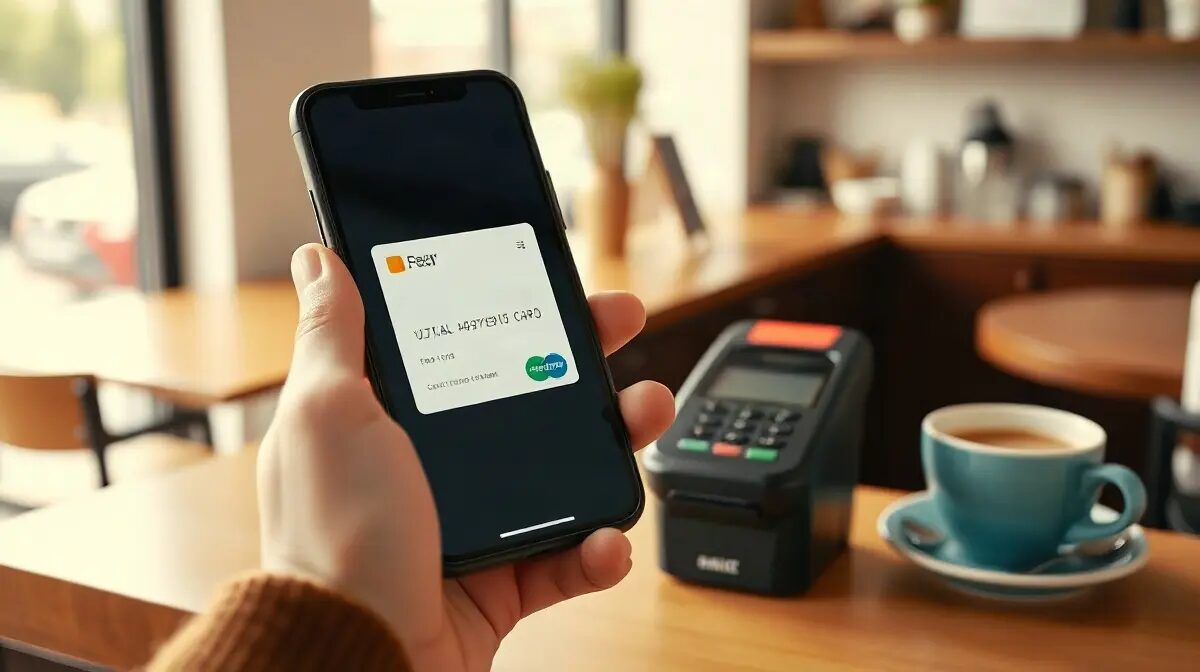 Rail targets everyday stablecoin spending with multi-chain cards
Rail, a crypto payment platform, says more than 5,000 people have joined the early-access waitlist for its virtual and physical payment cards, which are designed to let users spend stablecoins through conventional card rails, Crypto.news reported on November 28, 2026. The company said in its product materials that the setup covers three stablecoins across seven blockchain networks, with Apple Pay and Google Pay support in development and physical cards expected after the initial launch.
Rail is building crypto payment cards that let users spend USDT, USDC and USDG across seven networks rather than a single chain. The cards are aimed at closing the gap between holding stablecoins and using them for everyday purchases, with a public launch still ahead and physical cards to follow.
Key facts
- Rail’s card configuration supports USDT on Tron, Ethereum, Solana and BNB Chain; USDC on Ethereum, Solana, Base and Polygon; and USDG on Solana and Robinhood Chain.
- The platform says more than 5,000 people have signed up for early access ahead of the public launch.
- Apple Pay and Google Pay support is being developed for use across more than 180 countries, subject to programme and country restrictions.
- Physical cards remain in development and are expected to follow the initial launch, rather than being available on day one.
The gap between holding and spending
Crypto.news frames the story around a persistent friction in stablecoin use: sending dollars across borders is now routine, but paying for a hotel, an online subscription or a store purchase often requires moving funds between platforms, converting assets or withdrawing to a bank account. The same stablecoin can exist on several networks, and picking the wrong one can make a transaction costlier or harder to complete.
Rail’s approach is to support several chains at once instead of asking users to consolidate on one. That reflects how stablecoin balances are already spread across networks chosen for cost, wallet compatibility and community habits. Whether that flexibility survives contact with real users depends on how much of the underlying complexity the product can hide at checkout.
Competing with the card, not the chain
A crypto payment card is judged against Apple Pay and a bank debit card, not against another wallet. Crypto.news notes that if funding a card or completing a purchase requires users to understand blockchain infrastructure every time, much of the appeal is lost.
The outlet also flags the operational questions that waitlists cannot answer: whether users can fund cards easily, whether payments work consistently across markets, and whether fees and supported networks make sense for routine use. Those issues, rather than the number of tokens or blockchains listed, will determine whether people trust the product with everyday spending.
Why it matters
Stablecoins have already proven useful for holding and transferring digital value, but converting that into ordinary commerce has remained the harder step. A card that draws directly on multi-chain balances could reduce the number of times a user has to leave a wallet, convert assets or wait for a bank withdrawal. For consumers, the practical test is simpler than the technical one: whether the crypto element fades into the background of a normal purchase.
What to watch
The next concrete checkpoint is Rail’s public launch, followed by the release of physical cards. How quickly waitlist signups convert into active users, and whether fees and network coverage hold up across markets, will be the first real measure of demand.
Frequently Asked Questions
Which stablecoins and networks does Rail support?
According to Crypto.news, Rail covers USDT on Tron, Ethereum, Solana and BNB Chain; USDC on Ethereum, Solana, Base and Polygon; and USDG on Solana and Robinhood Chain.
Are Rail’s physical cards available now?
No. Rail is preparing both virtual and physical cards, but physical cards are still in development and are expected to follow the initial launch.
How many people have joined Rail’s waitlist?
Rail says more than 5,000 people have signed up for early access ahead of the public launch, though the company has not said how many will become regular users.
What could hold back stablecoin payment cards?
Crypto.news notes that reliability, transparency, customer support and the ability to resolve failed transactions will shape whether people trust these products with routine spending.
This post Rail targets everyday stablecoin spending with multi-chain cards first appeared on BitcoinWorld.