



SEC Launches Cyber and Emerging Technologies Unit in Crypto Enforcement Overhaul
 SEC CHAIR
 SEC
SEC
 CTF
CTF
 CYBER
CYBER
 READ
READ
The SEC has overhauled its crypto enforcement apparatus, replacing the Crypto Assets and Cyber Unit with a smaller, fraud-focused Cyber and Emerging Technologies Unit in what the agency described as a "necessary course correction" for digital asset oversight.
SEC Replaces Crypto Enforcement Unit with Fraud-Focused Division
The SEC announced the Cyber and Emerging Technologies Unit (CETU) on February 20, 2025, formally dissolving the Crypto Assets and Cyber Unit (CACU) that had been established in 2017 and expanded under former Chair Gary Gensler.
CETU is led by Laura D'Allaird, who previously served as co-chief of the predecessor unit. The new division operates with approximately 30 fraud specialists and attorneys, down from the roughly 50 staff who populated CACU at its peak. Some personnel were transferred to general enforcement work.
The unit's mandate narrows enforcement to fraud involving emerging technologies: AI-powered scams, social media schemes, hacking for material nonpublic information, retail brokerage account takeovers, and blockchain-based fraud. Registration-based violations, the cornerstone of the Gensler-era approach, are no longer a priority.
Notably, CETU's scope explicitly excludes meme coin enforcement, a signal that could function as a de facto safe harbor for that market segment.
What the Enforcement Shift Means for Crypto and NFT Markets
Under Gensler, the SEC pursued high-profile enforcement actions against major exchanges and token issuers, treating most digital assets as unregistered securities. That posture created existential legal risk for compliant crypto projects and NFT platforms alike.
The CETU restructuring flips that framework. Projects operating in good faith on registration and disclosure face far less enforcement exposure, while actual fraud, rug pulls, and market manipulation remain squarely in the crosshairs.
For NFT creators and collectors who weathered years of regulatory ambiguity, the practical impact is significant. The SEC's previous broad interpretation of securities law left open questions about whether NFT collections and marketplace platforms could face enforcement. CETU's fraud-only mandate removes that overhang for projects not engaged in deceptive conduct.
The shift also carries implications for the broader digital asset market. Bitcoin traded at $69,876 at press time, with a market capitalization of $1.40 trillion, as crypto markets navigated extreme fear sentiment despite the regulatory pivot.
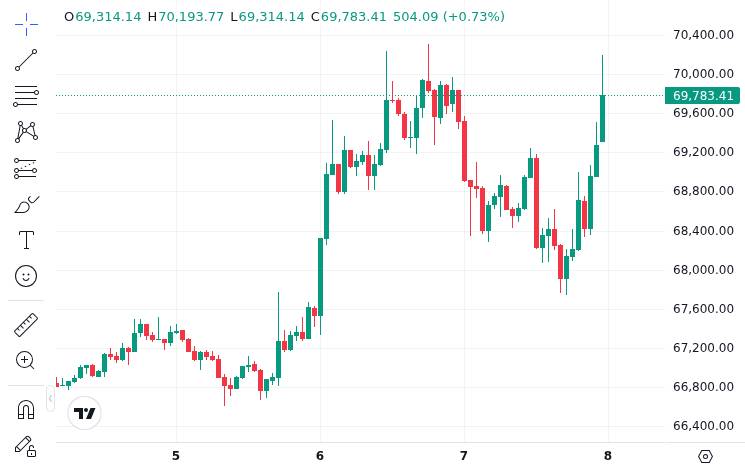
The Fear & Greed Index sat at 11, deep in "Extreme Fear" territory, suggesting the broader market has yet to price in the regulatory relief. Industry participants have described themselves as optimistic that regulatory clarity is near, even as macro headwinds persist.
SEC's Evolving Digital Asset Stance: 2025 to Present
The CETU launch is the capstone of a directional shift that began when Gensler departed the agency. Acting Chair Mark Uyeda framed the new unit as complementary to the SEC's Crypto Task Force, a separate initiative led by Commissioner Hester Peirce and announced on January 21, 2025, tasked with developing a comprehensive regulatory framework.
Commissioner Peirce did not mince words about the agency's prior approach.
"The Commission's handling of crypto has been marked by legal imprecision and commercial impracticality. It took us a long time to get into this mess, and it is going to take us some time to get out of it."
Commissioner Hester Peirce, February 4, 2025
The numbers reflect the pivot. SEC crypto enforcement actions fell from 33 in 2024 to 13 in 2025, a 60% decrease. The agency dismissed with prejudice high-profile cases against Coinbase, Binance, Gemini, and others that had been initiated under Gensler's leadership.
The original CACU was established in 2017 and expanded to 50 staff in 2022 as Gensler pursued what critics called regulation by enforcement. Between 2021 and 2024, the SEC filed over 100 crypto enforcement actions, many targeting projects for registration violations rather than investor harm.
CETU's reduced headcount of 30 staff signals a structural de-prioritization of crypto enforcement while maintaining fraud oversight. The underreported dimension of this restructuring is what CETU is actively targeting: AI-powered fraud, dark web crypto schemes, and retail brokerage account takeovers represent a new enforcement frontier that could affect retail investors more directly than the registration battles of the previous era.
The SEC's jurisdiction over digital assets is widely expected to be substantially narrowed as the Crypto Task Force develops its framework, with incoming Chair Paul Atkins signaling a preference for clear rules over enforcement-driven precedent.
Disclaimer: This article is for informational purposes only and does not constitute financial or investment advice. Cryptocurrency and digital asset markets carry significant risk. Always do your own research before making decisions.
Read original article on nftenex.com