South Korea's financial regulator has reportedly urged local cryptocurrency exchanges to hold a greater share of customer assets in cold wallets, a move that signals tightening custodial over
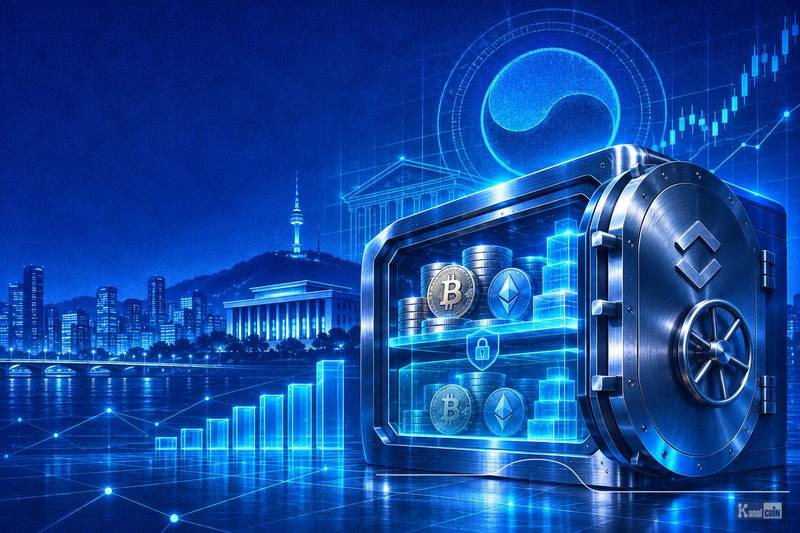
South Korea's financial regulator has reportedly urged local cryptocurrency exchanges to hold a greater share of customer assets in cold wallets, a move that signals tightening custodial oversight in one of Asia's largest retail crypto markets. The directive, if confirmed, would place new operational requirements on domestic platforms that collectively serve tens of millions of users.
Reports circulating on November 3, 2026, indicate the regulator issued guidance asking exchanges to increase the proportion of customer funds stored offline in cold storage, rather than in internet-connected hot wallets. The precise threshold and legal basis of the request had not been officially published at the time of writing, and it remains unclear whether the guidance constitutes a binding rule or supervisory recommendation. For related coverage, see Upbit Launches Telegram Channel with Giveaways in Korea.
What the Regulator Reportedly Asked Exchanges to Do
Cold wallets are offline storage systems that hold private keys without direct internet exposure, making them significantly harder for hackers to access remotely. Hot wallets, used for daily withdrawal and trading operations, carry higher breach risk because they remain connected to exchange infrastructure at all times. Context on this theme: Online Casino Operator Stock Surges on Crypto.com Deal.
According to search-indexed reports, the guidance focuses specifically on the ratio of customer assets held in cold storage versus hot wallets. South Korea already requires crypto exchanges operating under its Virtual Asset Service Provider framework to maintain certain customer-protection standards, and this reported request would build on that existing supervisory structure.
It is not yet confirmed which regulator issued the guidance. South Korea's Financial Services Commission and its Financial Intelligence Unit both hold authority over virtual asset businesses, and the specific agency responsible for this directive had not been identified in early reports reviewed at publication time.
Why Customer-Asset Safeguards Matter for Crypto Users
Customer assets held on an exchange are legally distinct from the exchange's own operating funds. When platforms commingle or inadequately segregate these funds, users face losses in the event of an insolvency or security breach, as exchange creditors may have claims against pooled assets.
South Korea has been tightening its virtual asset framework steadily since the collapse of several offshore platforms exposed gaps in domestic user protections. The country passed its Virtual Asset User Protection Act, which took effect in 2024, establishing baseline safeguards including mandatory separation of customer assets from corporate funds and insurance or reserve requirements for hot wallet holdings.
A higher cold-storage ratio requirement would complement those existing rules by reducing the attack surface available to hackers. South Korea has been active in pushing platforms operating in or near its market to meet stricter custodial standards, as seen in Naver's acquisition of Dunamu, the operator of Upbit, which brought South Korea's largest exchange under closer domestic corporate oversight.
If the guidance becomes enforceable, domestic exchanges including Upbit, Bithumb, Coinone, and Korbit would need to audit and likely restructure their wallet architectures. Compliance costs could be significant, particularly for smaller platforms that rely on flexible hot-wallet pools to manage liquidity for fast withdrawals.
The move also carries weight for the broader ASEAN region. South Korea consistently functions as a regulatory bellwether for Asian crypto markets; when Seoul tightens custody rules, exchanges across the region often anticipate similar scrutiny from their own regulators. Platforms in Indonesia, the Philippines, and Thailand have previously watched South Korean policy shifts closely when calibrating their own compliance postures.
South Korea's ongoing attention to its domestic crypto sector is also visible in its engagement with social platforms, as illustrated by a prior request to X to combat deepfake risks linked to fraudulent crypto promotions targeting Korean users. The cold-wallet directive fits that same pattern of consumer-protection-driven regulatory escalation.
For Southeast Asian users who trade on platforms with South Korean parent companies or licensing relationships, a tightening of Seoul's custody rules could translate into higher withdrawal reliability and reduced counterparty risk, even if local regulators do not immediately mirror the requirement.
What to Watch Next
The key details still outstanding include the identity of the issuing regulator, the specific cold-storage percentage being requested, any stated implementation deadline, and whether non-compliance carries formal penalties or constitutes grounds for license review.
Users can monitor official disclosures from the Financial Services Commission and the Korea Financial Intelligence Unit for published guidance. South Korean exchanges are also required under the Virtual Asset User Protection Act to disclose material changes to their custody practices, which could provide early confirmation of compliance moves before formal rulemaking is finalized.
Separately, the opening of a16z Crypto's first Asia office in Seoul underscores how closely global institutional players are watching South Korea's regulatory direction. Clearer custodial standards could strengthen Seoul's standing as an institutionally credible crypto market, even as short-term compliance costs rise for domestic exchanges.
This article will be updated as official confirmation and additional detail become available from South Korean regulatory sources.
Additional source references: source document 1.
Disclaimer: This article is for informational purposes only and does not constitute financial or investment advice. Cryptocurrency and digital asset markets carry significant risk. Always do your own research before making decisions.
Read original article on kanalcoin.com