The CLARITY Act was supposed to answer one of crypto’s biggest questions: which regulator controls which part of the market? Instead, the bill stalled in the Senate on Sept. 15 after failing
The CLARITY Act was supposed to answer one of crypto’s biggest questions: which regulator controls which part of the market?
Instead, the bill stalled in the Senate on Sept. 15 after failing to clear the 60-vote threshold needed to advance. The result leaves the U.S. without the broad market-structure framework the legislation was designed to create.
That does not mean crypto is suddenly unregulated.
The SEC and CFTC were already coordinating on digital assets before the vote. In March, the two agencies signed an official SEC-CFTC memorandum of understanding aimed at clarifying product definitions, modernizing trading rules and developing a more coordinated crypto framework.
SEC vs. CFTC Is Still the Main Divide
The SEC remains responsible for applying federal securities laws when a crypto asset, token offering or transaction falls within securities law.
Earlier this year, the SEC issued new guidance covering areas including staking, mining, airdrops and when a non-security crypto asset can become part of an investment contract. The CFTC joined that interpretation and said it would administer the Commodity Exchange Act consistently with it.
The CFTC, meanwhile, already oversees crypto futures, options and other derivatives.
Its authority over the spot market is narrower. For non-security commodities such as Bitcoin, the agency can pursue fraud and manipulation, but Congress has not given it the same comprehensive registration regime for spot crypto exchanges that it has for derivatives markets.
That jurisdictional gap is exactly what the CLARITY Act was intended to address.
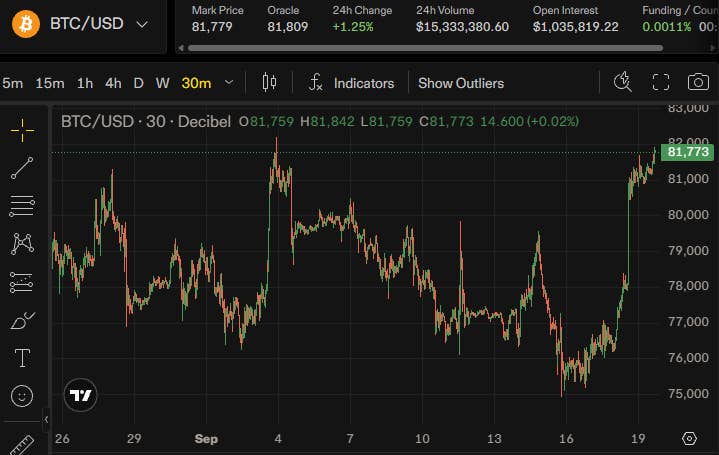
Coinpaper previously broke down the existing SEC-versus-CFTC divide, while the failed Senate vote sent Bitcoin below $75,000.
Regulators Aren’t Waiting for Congress
The bigger development now is that federal agencies are moving ahead anyway.
The CFTC has sent a new crypto-market rulemaking proposal into White House regulatory review, signaling that it intends to use existing authority even without the CLARITY Act. The exact scope will matter because regulators cannot simply create powers that Congress never granted them.
Stablecoins are somewhat different because Congress already passed the GENIUS Act, creating a separate federal framework for payment stablecoins. Other crypto businesses can also face FinCEN anti-money-laundering obligations, banking supervision and state licensing requirements.