Privacy coins have become increasingly difficult to move into the wider crypto market without going through a centralized intermediary. THORChain is looking to change that with one of its mos
Privacy coins have become increasingly difficult to move into the wider crypto market without going through a centralized intermediary. THORChain is looking to change that with one of its most significant protocol upgrades yet.
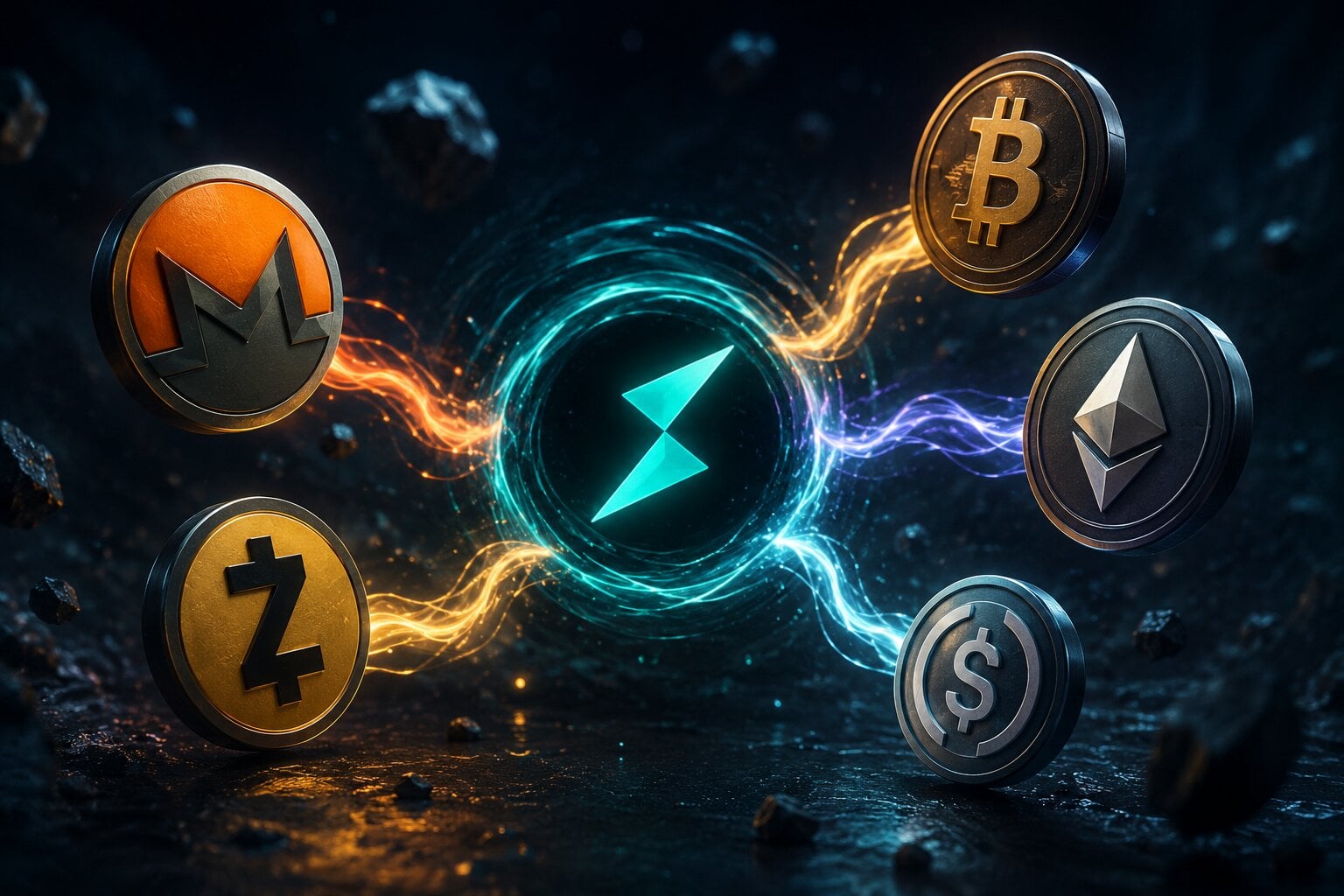
The decentralized exchange announced the launch of THORChain 3.20, introducing native support for Monero (XMR) and Zcash (ZEC) swaps. Users can now swap the privacy-focused cryptocurrencies against assets including Bitcoin (BTC), Ethereum (ETH), and stablecoins directly through THORChain.
The important part is what users do not have to do. No wrapped versions of XMR or ZEC involved, no exchange account is required, and users do not have to deposit their assets with a centralized custodian before making a trade.
That gives privacy-coin holders a more direct route into some of the largest and most liquid parts of the crypto market.
A New Route Out of the Privacy-Coin Silo
The integration is particularly notable for Monero. Access to XMR through centralized exchanges has tightened considerably as trading platforms have removed or restricted the cryptocurrency in response to regulatory and compliance concerns.
That has created an awkward problem for an asset built around financial privacy and user control: holders can transact directly on the Monero network, but moving from XMR into assets such as BTC, ETH or dollar-denominated stablecoins has often required relying on the very centralized services that many crypto users are trying to avoid.
THORChain 3.20 provides another option. Instead of sending XMR or ZEC to an exchange, selling it, and then withdrawing another cryptocurrency, users can exchange the native assets directly through THORChain while maintaining self-custody.
It extends the same basic model THORChain already uses for assets such as Bitcoin and Ethereum: connecting otherwise separate blockchain networks without relying on wrapped representations of those assets.
That model becomes particularly relevant with privacy coins because decentralized access to them has historically been much more limited than for assets operating on major smart-contract networks.
More Than a Privacy-Coin Upgrade
Monero and Zcash are the headline additions, but version 3.20 also introduces broader changes to THORChain’s liquidity infrastructure.
The upgrade adds a new Stable Reserve, which introduces stablecoin-to-stablecoin swaps without liquidity fees. For users moving between supported stable assets, the system is intended to provide a more efficient execution path within THORChain.
THORChain has also introduced Protocol-Owned Liquidity (POL), giving the protocol additional mechanisms for deploying its own capital across the network rather than relying entirely on external liquidity providers. Version 3.20 also brings renewed support for Solana, Base and BNB, expanding the range of networks available through the protocol alongside its existing cross-chain infrastructure.
Together, the changes point toward THORChain becoming a broader liquidity layer rather than simply a venue for swapping between a handful of major Layer 1 assets.
Privacy Coins Get a More Direct Connection to Crypto
The larger significance of the release is that two of crypto’s best-known privacy assets are gaining a more direct connection to the rest of the digital-asset market.
Decentralized exchanges are now a fundamental part of crypto trading, but most still operate primarily within individual blockchain ecosystems. Moving native assets between separate networks can require bridges, wrapped tokens or centralized platforms. THORChain was built around removing those steps.
Adding XMR and ZEC extends that model into a part of the market where decentralized access has remained comparatively limited. For privacy-coin holders, THORChain 3.20 therefore represents more than another place to trade. It provides a way to move directly between privacy-focused cryptocurrencies, Bitcoin, Ethereum and stablecoins without surrendering custody of the underlying assets along the way.
Disclaimer: This article is provided for informational purposes only. It is not offered or intended to be used as legal, tax, investment, financial, or other advice.