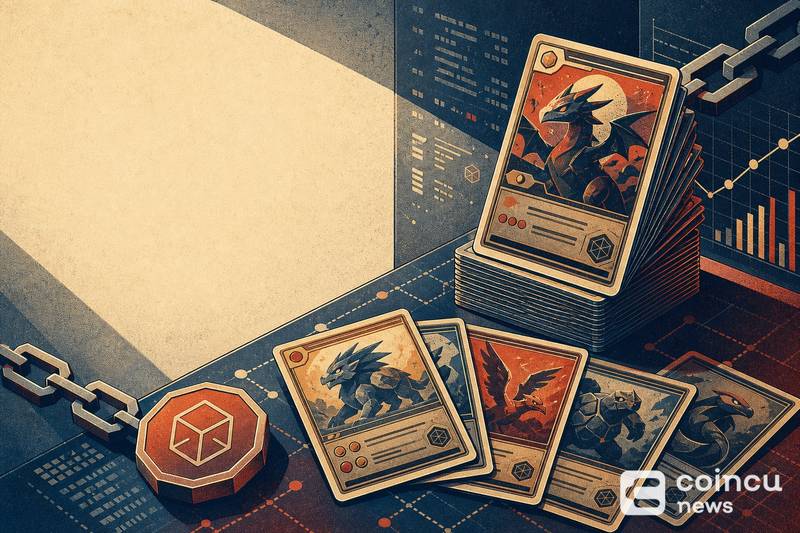
Tokenized Pokemon card transactions reportedly reached $230 million in on-chain sales during May, signaling a notable spike in blockchain-based collectibles activity. The figure, which surfac
Tokenized Pokemon card transactions reportedly reached $230 million in on-chain sales during May, signaling a notable spike in blockchain-based collectibles activity. The figure, which surfaced through social media channels, has not been independently verified but points to growing interest in bringing physical trading card assets onto decentralized rails.
The reported $230 million in monthly on-chain volume refers to tokenized representations of Pokemon trading cards bought and sold through blockchain-based marketplaces during May 2026.
A Single-Month Milestone
If accurate, a $230 million month for tokenized Pokemon cards would represent significant trading volume for a niche collectible category. For context, the broader NFT market has seen uneven activity over the past year, making any sustained monthly volume in the hundreds of millions noteworthy for a single collectible vertical.
The claim originated from a social media post rather than a transparent marketplace dashboard or on-chain analytics platform. That distinction matters when evaluating the reliability of the number.
The Transaction Surge Angle
Beyond the raw dollar figure, the report suggests a surge in the number of individual transactions, not just total value. High transaction counts can indicate broad collector participation rather than a small number of high-value trades skewing the total.
How Tokenized Pokemon Card Trading Works On-Chain
What Are Tokenized Pokemon Cards
Tokenized Pokemon cards are digital representations of physical trading cards minted as blockchain tokens. Each token corresponds to a specific card, with metadata typically recording the card's edition, condition grade, and provenance.
This differs from native digital collectibles like profile-picture NFTs. Tokenized cards are meant to represent real-world assets, with the physical card often held in custody by a third-party vault or verification service.
Issuance and Trading Flow
The process generally involves a card owner submitting a graded physical card to a custodian. The custodian issues a corresponding token on a blockchain, most commonly Solana or Ethereum. That token can then be traded on secondary marketplaces without moving the physical card.
Settlement happens on-chain, meaning ownership transfers are recorded on the public ledger. Platforms like Collector Crypt, which recently partnered with Solflare to launch on-chain collectible packs, have been building infrastructure for this kind of trading.
This approach to collectibles trading shares similarities with how large stablecoin settlements demonstrate blockchain's capacity for moving value quickly and transparently.
Why the Surge Matters for Blockchain Collectibles
Collector Adoption Signals
A reported $230 million month suggests that tokenized card trading has moved beyond a small experiment. Pokemon cards represent one of the most recognized collectible brands globally, and their migration to blockchain rails could bring traditional collectors into on-chain markets for the first time.
The collectibles angle separates this story from standard cryptocurrency token price coverage. These are not speculative governance tokens or meme coins. They are digital proxies for physical assets with established collector markets.
Market Structure Implications
On-chain trading of tokenized collectibles introduces 24/7 liquidity, fractional ownership potential, and transparent price discovery to a market that has traditionally relied on auction houses, grading services, and peer-to-peer sales with limited visibility.
As regulators in multiple jurisdictions continue tightening rules around digital asset platforms, tokenized real-world assets like trading cards occupy an interesting middle ground. They carry characteristics of both securities and consumer goods, depending on how they are marketed and traded.
The growth of on-chain collectibles infrastructure could also influence how exchanges and platforms approach listing tokenized assets more broadly.
What the Evidence Does and Does Not Confirm
The $230 million figure is a reported claim, not an independently verified statistic. The primary source is a social media post, and no transparent on-chain analytics dashboard or marketplace data feed has been cited to corroborate the number.
Verification would require access to specific marketplace transaction logs or on-chain data showing aggregated trading volume across tokenized card platforms during May. Without that, the figure should be treated as directional rather than precise.
No specific platform market share breakdowns, individual transaction records, or third-party audit data are available in the current reporting. Readers should weigh the claim accordingly and look for follow-up confirmation from on-chain analytics providers.
FAQ
What are tokenized Pokemon cards?
They are blockchain tokens that represent ownership of physical Pokemon trading cards held in custody. The token can be traded on-chain while the physical card remains securely stored.
It refers to the reported total value of tokenized Pokemon card transactions settled on-chain during May 2026. The number has not been independently confirmed through public on-chain data.
Why would collectors use blockchain rails for card trading?
Blockchain-based trading offers 24/7 market access, transparent transaction records, faster settlement, and the possibility of fractional ownership, which are features traditional card markets lack.
Which blockchains support tokenized card trading?
Solana and Ethereum are the most commonly used chains for tokenized collectibles. Recent partnerships between wallet providers and collectible platforms have expanded Solana-based infrastructure in particular.
The figure comes from a social media source and has not been corroborated by on-chain analytics platforms or marketplace disclosures. It should be treated as a reported claim pending further verification.
Additional source references: source document 1.
Disclaimer: This article is for informational purposes only and does not constitute financial or investment advice. Cryptocurrency and digital asset markets carry significant risk. Always do your own research before making decisions.
The post Tokenized Pokemon Card Sales Hit $230 Million On-Chain in May was initially published on Coincu.