Tokenized Pokemon card sales across Solana and other blockchains reached $230 million in May, marking a significant monthly milestone for blockchain-based collectible trading that bridges phy
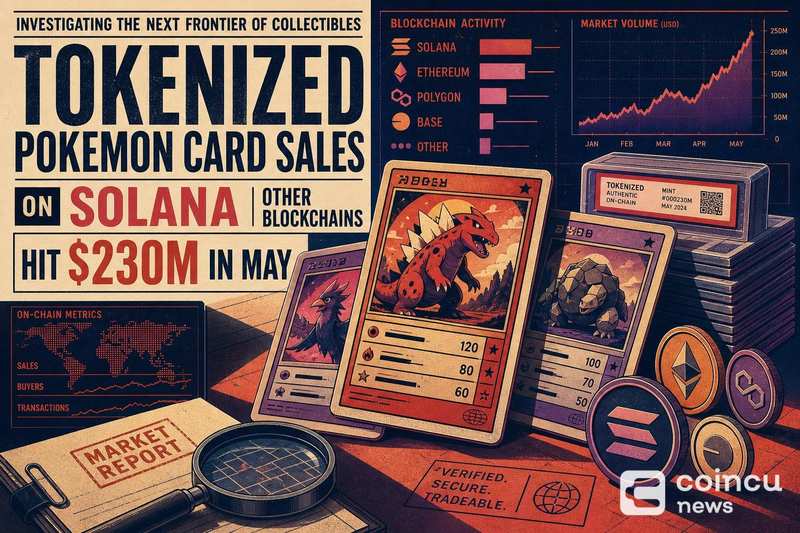
Tokenized Pokemon card sales across Solana and other blockchains reached $230 million in May, marking a significant monthly milestone for blockchain-based collectible trading that bridges physical card culture with on-chain speculation.
The figure covers tokenized transactions rather than physical card sales alone. Trading activity tracked on Dune Analytics dashboards monitoring the cards market provides granular breakdowns of volume across platforms and chains, showing how this niche has scaled rapidly.
Solana has emerged as a primary venue for this activity, though sales span several blockchains. The trend has drawn attention from both crypto-native traders and traditional collectibles enthusiasts looking for digital exposure to Pokemon card markets.
The rise of tokenized Pokemon card trading sits at the intersection of collectible demand and crypto-native market mechanics. Platforms facilitating these sales allow users to buy, sell, and trade tokenized representations of physical cards, sometimes involving fractional ownership or pack-opening dynamics.
As Decrypt has reported, Pokemon cards have been surging on crypto platforms, with some of the activity blurring the line between collectible trading and gambling-style speculation. This dynamic has fueled both volume and controversy around the category.
Solana's low transaction fees and fast settlement times make it a natural fit for high-frequency collectible trading. When individual card transactions cost fractions of a cent to execute, the barrier to speculative activity drops considerably compared to chains with higher gas costs.
Why Solana Leads but Does Not Monopolize the Market
While Solana is highlighted as a key chain for tokenized card sales, the $230 million total reflects cross-chain participation. Other blockchains contribute meaningful volume, suggesting the market is not locked into a single ecosystem.
This cross-chain spread indicates demand is driven by the underlying collectible asset, not loyalty to a specific blockchain. Traders appear to follow liquidity and platform features rather than chain allegiance, similar to how contract trading competitions attract participants based on incentive structure rather than platform identity.
Solana's prominence in this space parallels its broader role in consumer-facing crypto applications. The chain has consistently attracted projects focused on gaming, NFTs, and retail trading, categories where transaction speed and cost directly affect user experience.
Collector Demand Versus Speculative Trading
The May volume spike likely reflects a mix of genuine collector interest and speculative trading. Pokemon cards are among the most recognized collectibles globally, with a physical secondary market that regularly produces six- and seven-figure individual card sales.
Tokenization adds liquidity and accessibility to this market. Collectors who might not afford a rare physical card can gain exposure through fractional or tokenized versions, while traders can move in and out of positions quickly on-chain.
The speculative component is significant. A nine-figure monthly total suggests activity well beyond what organic collector demand alone would generate. Pack-opening mechanics and gamified trading features on some platforms amplify volume by encouraging repeated transactions.
This pattern of leveraged or speculative activity extending beyond fundamentals is visible across crypto markets. Just as BTC liquidation risk rises when positions become crowded, the tokenized cards space faces its own risk dynamics when speculative volume dominates genuine collector demand.
What the May Milestone Means for Blockchain Collectibles
A nine-figure monthly sales total for a single collectible category is notable within the broader context of blockchain-based asset trading. The cross-chain nature of the sales also suggests infrastructure maturity across multiple networks.
Multiple blockchains now support the kind of marketplace tooling, wallet integration, and settlement reliability needed to handle high-volume collectible trading. The growth in on-chain activity, much like the rise in ETH network-wide contract positions, reflects expanding blockchain utility beyond simple token transfers.
Whether tokenized trading cards become a durable Web3 vertical or remain a cyclical speculation target depends on how platforms manage the balance between collector utility and speculative mechanics. The regulatory environment around gamified trading and pack-opening features could also shape the category's trajectory, particularly given the gambling-adjacent concerns flagged in reporting on the sector.
FAQ About Tokenized Pokemon Card Sales on Solana and Other Blockchains
What are tokenized Pokemon cards?
Tokenized Pokemon cards are blockchain-based representations of physical Pokemon trading cards. They allow users to buy, sell, and trade digital versions of cards on-chain, sometimes with fractional ownership or pack-opening features built into the trading platforms.
Why is Solana mentioned specifically in the report?
Solana is highlighted because it serves as a primary blockchain for tokenized card trading activity, thanks to its low fees and fast transaction speeds. However, the $230 million figure covers sales across multiple blockchains, not Solana alone.
Does $230 million refer to May alone?
Yes. The figure represents tokenized Pokemon card sales recorded during the month of May across Solana and other blockchain networks. It reflects a single month of trading volume, not a cumulative total.
Where can I track tokenized card market data?
Community-built dashboards on platforms like Dune Analytics track trading volumes, platform breakdowns, and chain-level activity for the tokenized cards market.
Disclaimer: This article is for informational purposes only and does not constitute financial or investment advice. Cryptocurrency and digital asset markets carry significant risk. Always do your own research before making decisions.
The post Tokenized Pokemon Card Sales on Solana, Other Blockchains Hit $230M in May was initially published on Coincu.