



Visa Adds Polygon for 24/7 Stablecoin Settlement
 STABLE
 GREED
GREED
 CCY
CCY
 MATIC
MATIC
 RAILS
RAILS
Visa has added Polygon to its global stablecoin settlement pilot, expanding the payment giant's blockchain infrastructure to nine supported networks as it pushes card settlement toward seven-day-a-week availability.
The company announced on April 29, 2026 that it added five new blockchains, Arc, Base, Canton, Polygon, and Tempo, to the pilot. The expansion brings the total to nine chains, joining Avalanche, Ethereum, Solana, and Stellar.
Visa said the pilot has reached a $7 billion annualized stablecoin settlement run rate, up 50% from the prior quarter. The program now supports more than 130 stablecoin-linked card programs across more than 50 countries.
What to Know
- Visa added Polygon and four other blockchains to its stablecoin settlement pilot, bringing the total to nine supported networks.
- The move extends seven-day settlement capability to more partners, letting select issuers clear transactions on weekends and holidays without changing the consumer card experience.
Why Visa Added Polygon to Stablecoin Settlement
Settlement is the back-end process where money actually moves between banks, issuers, and acquirers after a card transaction is authorized. Traditional settlement runs on banking hours, meaning transactions made on a Friday evening may not settle until Monday or later.
Stablecoin-based settlement removes that constraint. Visa's pilot allows select issuers to settle directly in stablecoins seven days a week, including weekends and holidays, without changing the consumer card experience. The cardholder still swipes or taps normally; only the rails behind the transaction change.
Rubail Birwadker, who leads Visa's crypto efforts, said: "Our partners are building in a multi-chain world, and they expect their options to reflect that reality."
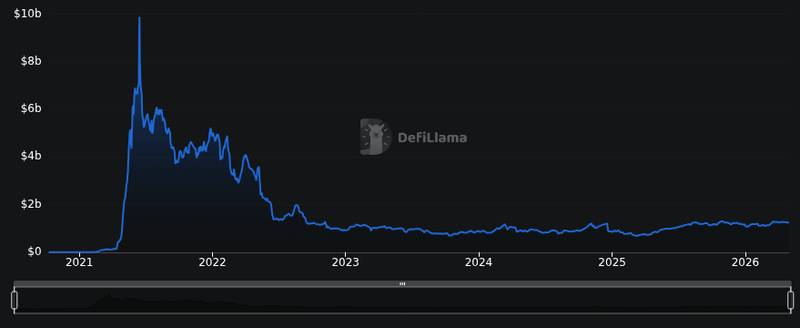
Polygon brings roughly $1.28 billion in total value locked to Visa's settlement options, giving issuers access to one of the more actively used Ethereum scaling networks.
Marc Boiron, CEO of Polygon Labs, said: "Visa adding Polygon signals that stablecoins are moving into real world payments at scale."
How 24/7 Settlement Could Reshape Card Payment Rails
Visa's December 2025 U.S. launch established the operational framework: issuers using USDC settlement get seven-day availability, eliminating the gap between transaction authorization and final settlement that has defined card payments for decades.
For merchants and acquirers operating across time zones, continuous settlement windows reduce the float period where funds are in transit. A cross-border transaction initiated on a Saturday in Singapore no longer waits for New York banking hours to clear.
This is a pilot-stage capability, not a full network replacement. Visa is offering stablecoin settlement as an option for select partners, running alongside traditional fiat settlement. The 130-plus stablecoin-linked card programs in over 50 countries represent early adoption, not a wholesale shift in how Visa processes its roughly 200 billion annual transactions.
The distinction matters for context. Recent listing and delisting activity across exchanges shows the broader crypto ecosystem is still sorting infrastructure from speculation. Visa's approach treats blockchains as settlement plumbing, not as consumer-facing products.
What Visa's Move Signals for Stablecoin Adoption in Payments
A major card network expanding from four to nine supported blockchains in a single announcement suggests growing institutional confidence in stablecoin settlement infrastructure. The 50% quarter-over-quarter growth in Visa's run rate, from roughly $4.7 billion to $7 billion annualized, reflects increasing partner uptake.
The timing aligns with a shifting U.S. regulatory environment. Visa has pointed to the January 2025 White House digital-assets executive order, the rescission of SAB 121, progress on the STABLE and GENIUS bills, and updated guidance from the OCC, FDIC, and Federal Reserve as factors enabling the expansion.
POL, Polygon's ecosystem token, traded at $0.094 with a market cap near $1 billion at the time of the announcement. The token moved less than 1% in the 24 hours following the news, suggesting the market views this as infrastructure validation rather than a near-term catalyst for token price.
The broader crypto market sits in a Fear zone at 26 on the Fear and Greed Index, a backdrop that makes institutional infrastructure commitments like Visa's more notable. While retail sentiment remains cautious, payment networks are quietly building the rails that could carry the next wave of blockchain utility beyond trading floors.
Visa has not disclosed a timeline for moving the pilot to general availability. For now, the nine-chain settlement framework represents the most extensive blockchain integration by any major card network, a foundation that could matter more as stablecoin regulation crystallizes and new blockchain projects continue launching into an increasingly institutional market.
Disclaimer: This article is for informational purposes only and does not constitute financial or investment advice. Cryptocurrency and digital asset markets carry significant risk. Always do your own research before making decisions.
Bitcoininfonews first published the article titled Visa Adds Polygon for 24/7 Stablecoin Settlement.
