Vitalik Buterin recently backed the decision by the developers of Kimi 3.1 to intentionally remove top-tier offensive cyber hacking skills from their artificial intelligence training data. Th
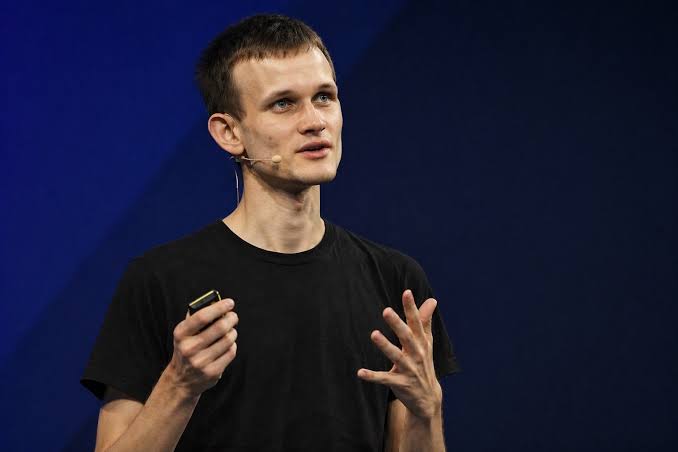
Vitalik Buterin recently backed the decision by the developers of Kimi 3.1 to intentionally remove top-tier offensive cyber hacking skills from their artificial intelligence training data.
The Ethereum co-founder argued that removing specific dangerous capabilities is better than blocking certain people from using the technology altogether. He warned that if the tech industry fails to handle this first major wave of AI security risks, governments will panic.
This fear could lead to a future where powerful AI models are heavily restricted, users must verify their identity before every prompt, and access to basic AI tools depends on their nationality or credentials.
READ ALSO: Vitalik Buterin Suggests a New Approach to Ethereum Cryptography
The online crypto community immediately pushed back on this logic. When user LoidOX asked if other labs would build these hacking tools anyway, Buterin admitted they eventually will.
Taking a darker view, user KSurkov argued that humanity needs this first wave of AI to cause chaos so society can face a backlash and establish real safety rules. They warned that if we survive the first wave smoothly, the second, stronger wave will wipe us out completely.
Restricting AI may hurt independent developers
Buterin’s warning about a KYC surveillance state describes the threat to grassroots cryptocurrency development. If governments classify advanced coding AI as a national security weapon, they will legally require companies like OpenAI or Anthropic to enforce strict identity rules.
This creates a two-tier system that destroys cryptocurrency’s open-source nature. Massive financial institutions and government-approved blockchain surveillance firms, like Chainalysis, will have full legal access to the smartest AI models. Meanwhile, an independent developer in other countries building a privacy wallet or a peer-to-peer lending app will be blocked from accessing the same security tools because they lack the right corporate credentials or live in the wrong country.
User Bitconduke pointed out a major flaw in slowing things down. He argued that restricting this knowledge to a few gated, corporate labs creates the exact centralized world Buterin fears, especially since bad actors will ignore the rules anyway. This would create a playground controlled by the few corporations that hold the keys to the AI.
Implications for OpenAI
Buterin’s support for Kimi 3.1 exposes a massive business problem for OpenAI. The company is currently spending billions of dollars on computer chips and electricity to train their next major releases, like GPT-5. The business model asks users to pay premium subscription fees for the smartest AI on the market.
If OpenAI removes top-tier coding and cyber capabilities from their next model, their product’s value may reduce.
On the other hand, if OpenAI ignores the Kimi 3.1 approach and pushes forward with a fully capable, unrestricted model, they face immediate government intervention.
Meanwhile, Buterin haswarned that fast advances in artificial intelligence could weaken the security of some cryptographic systems within the next two years. Responding to Ethereum Foundation researcher Justin Drake’s call for the industry to enter a defensive “bunker mode,” Buterin said the risk extends beyond traditional quantum threats.
Enjoyed this? BookmarkDeFi Planet, explore related topics, and follow us onTwitter,LinkedIn,Facebook,Instagram,Threads, and CoinMarketCap Community for seamless access to high-quality industry insights.
Take control of your crypto portfolio with DEFI PLANET PRO, DeFi Planet’s suite of analytics tools.
The post Vitalik Buterin Backs AI Safety Measures to Limit Advanced Hacking Skills appeared first on DeFi Planet.