



Where Next for Bitcoin After Its Worst Quarter Since 2018?
 GREED
GREED
 BTC
BTC
 RSRV
RSRV
 WOULD
WOULD
 CIN
CIN
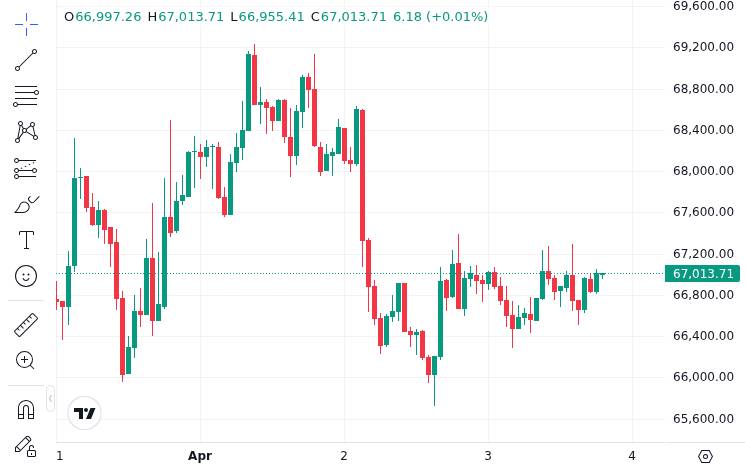
Bitcoin closed Q1 2026 down roughly 22%, marking one of its weakest quarters in years as macro headwinds and geopolitical uncertainty drove a steep selloff from February highs near $95,000 to around $66,700 by quarter-end.
The Q1 2026 return came in at -22.35% according to Coin Metrics, with Bitcoin closing the quarter at $66,986.87. The drawdown reached as deep as 34.6% at the quarter low, according to reporting from Decrypt citing Talos and Coin Metrics data.
Several outlets have described Q1 as Bitcoin's worst quarter since 2018, though the picture is more nuanced. Coin Metrics data shows Q4 2025 posted a return of -23.55%, slightly worse than Q1 2026's -22.35%. Back-to-back quarters of losses exceeding 22% is nonetheless a rare stretch of sustained weakness.
What Drove the Selloff
The decline was not driven by a single crypto-specific catalyst. Federal Reserve rate policy uncertainty and escalating geopolitical tensions, including concerns around the Iran conflict, weighed on risk assets broadly. Bitcoin, which had traded near $95,000 in February, lost nearly a third of its value at the quarter's worst point.
Samar Sen of Talos described the quarter as a "macro-driven reset than a structural shift," suggesting the selling reflected broader risk-off positioning rather than deterioration in Bitcoin's fundamentals.
"We believe the market is firmly in a cyclical drawdown consistent with bitcoin's historical four-year cycle."
Greg Cipolaro, NYDIG Research
Bitcoin's market cap sat at roughly $1.34 trillion with 24-hour trading volume near $30.67 billion as April began, reflecting subdued activity relative to the peaks seen earlier in the cycle.
Where Bitcoin Could Head From Here
The Alternative.me Fear and Greed Index reading of 9, classified as Extreme Fear, signals that sentiment has reached levels historically associated with capitulation. While extreme fear does not guarantee a bottom, past cycles have shown that readings this low often precede periods of stabilization or recovery.
A bullish scenario would require a shift in macro conditions: clearer Federal Reserve guidance on rate cuts or a de-escalation in geopolitical tensions. If those catalysts materialize, Bitcoin's drop from $95,000 to the mid-$60,000s could represent a buying opportunity within the broader cycle framework that NYDIG's Cipolaro referenced.
The bearish case is straightforward. If macro pressure intensifies, or if institutions and retail continue sitting on the sidelines pending clarity, as Decrypt reported Wintermute observing, the $60,000 level could face a test. Two consecutive quarters of 22%+ losses have already eroded confidence, and the recent wave of short-selling speculation adds to the fragile backdrop.
What to Watch in Q2
Federal Reserve policy remains the dominant variable. Any shift in rate expectations, whether hawkish or dovish, will likely set the tone for risk assets including Bitcoin through the second quarter.
Geopolitical developments, particularly around the Iran conflict, represent the other key wildcard. Bitcoin's correlation with broader risk appetite has increased during this drawdown, meaning resolution or escalation on the geopolitical front could move prices sharply.
On-chain and sentiment indicators deserve attention as well. A Fear and Greed reading of 9 is among the lowest levels recorded, and any sustained move higher in that index would signal that the worst of the panic selling has passed. As this week's market roundup noted, crypto markets are navigating multiple crosscurrents simultaneously.
With scam losses also reaching record levels, retail caution may persist until clearer signals emerge from both the macro and regulatory landscape. The data supports watching, not predicting: Q2's direction hinges on forces well outside crypto's control.
Disclaimer: This article is for informational purposes only and does not constitute financial or investment advice. Cryptocurrency and digital asset markets carry significant risk. Always do your own research before making decisions.
Bitcoininfonews first published the article titled Where Next for Bitcoin After Its Worst Quarter Since 2018?.
