



Wisconsin Sues Coinbase and Polymarket in Explosive Prediction Markets Crackdown
 CORE
CORE
 DEFI
DEFI
 IMX
IMX
 MATIC
MATIC
 POLY
POLY
BitcoinWorld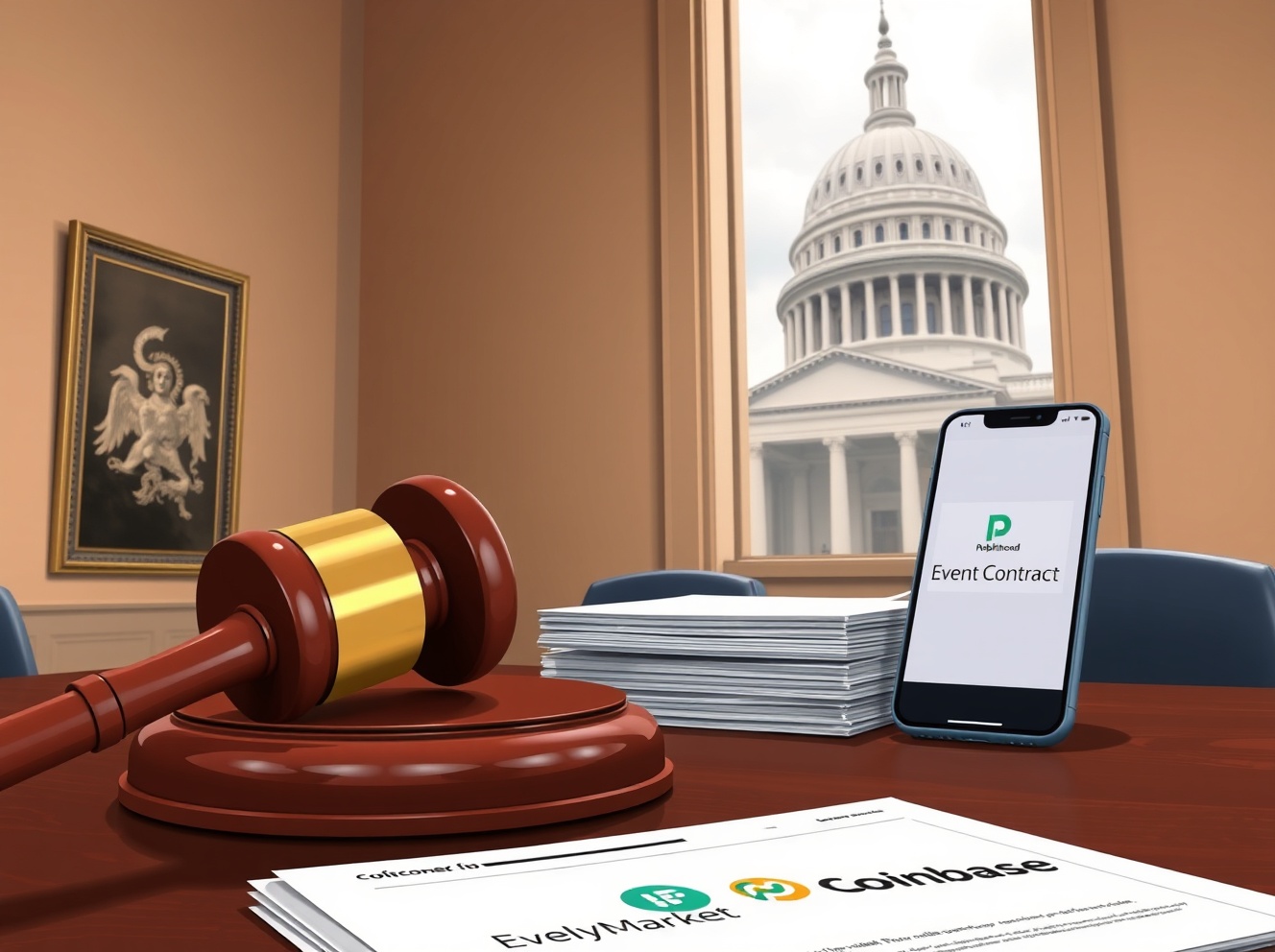
Wisconsin Sues Coinbase and Polymarket in Explosive Prediction Markets Crackdown
Wisconsin has filed a lawsuit against several major prediction market operators, including Coinbase, Polymarket, Kalshi, Robinhood, and Crypto.com, escalating a high-stakes legal battle over the classification of event-based financial contracts. The state’s action, reported by CoinDesk, argues that these platforms offer ‘event contracts’ that constitute illegal gambling under Wisconsin law, rather than legitimate investment products.
Wisconsin Sues Coinbase and Polymarket: The Core Allegations
The lawsuit centers on the nature of prediction markets, where users trade contracts tied to the outcome of real-world events—such as election results, sports outcomes, or economic indicators. Wisconsin authorities contend that these contracts violate state gambling statutes, which prohibit wagering on uncertain events. The state seeks to halt operations of these platforms within its borders and impose penalties for past violations.
This legal challenge arrives as the U.S. Commodity Futures Trading Commission (CFTC) has itself recently sued three states—including Arizona—that regulate prediction markets. The CFTC argues that these markets fall under its jurisdiction as swap transactions, not gambling. This creates a direct conflict between federal and state authority, potentially setting the stage for a Supreme Court showdown.
Background: The CFTC vs. State Regulators
The jurisdictional dispute over prediction markets has simmered for years. The CFTC, under its authority from the Commodity Exchange Act, has sought to classify event contracts as swaps or futures, which it regulates. However, several states, including Wisconsin, view them as gambling, which falls under state police powers. The CFTC’s recent lawsuits against Arizona, and now Wisconsin’s countermove, highlight the deepening divide.
In 2023, the CFTC proposed rules to ban certain event contracts, particularly those related to political elections, citing public interest concerns. However, the agency has faced legal pushback from market operators and states alike. Wisconsin’s lawsuit directly challenges the CFTC’s position by asserting state primacy over gambling regulation.
Key Players in the Lawsuit
- Coinbase: The largest U.S. crypto exchange, which offers prediction market-like products through its platform.
- Polymarket: A decentralized prediction market built on the Polygon blockchain, popular for political and sports betting.
- Kalshi: A CFTC-regulated exchange for event contracts, which has been a central figure in the legal debate.
- Robinhood: The retail trading app, which has expanded into event-based contracts.
- Crypto.com: A global cryptocurrency exchange offering prediction market features.
Potential Impact on the Crypto and Finance Industry
The outcome of this lawsuit could have far-reaching consequences. If Wisconsin prevails, other states may follow suit, fragmenting the U.S. market for prediction contracts. This could force platforms to restrict access based on geography or cease operations in certain states. Conversely, if the courts side with the platforms or the CFTC, it could solidify federal oversight and legitimize prediction markets as regulated financial instruments.
For the cryptocurrency sector, the case is particularly significant. Platforms like Polymarket rely on blockchain technology to offer transparent, decentralized trading. A ruling against them could stifle innovation in decentralized finance (DeFi) and set a precedent for how states regulate blockchain-based financial products.
Timeline of Events Leading to the Lawsuit
- 2021: The CFTC issues a warning about unregistered prediction markets, targeting platforms like Polymarket.
- 2022: Polymarket settles with the CFTC for $1.4 million, agreeing to block U.S. users.
- 2023: The CFTC proposes rules to ban election-based event contracts.
- 2024: Arizona passes a law regulating prediction markets as gambling, prompting the CFTC to sue the state.
- 2025: Wisconsin files its own lawsuit against multiple platforms, escalating the federal-state conflict.
Legal and Expert Perspectives
Legal analysts note that the case raises fundamental questions about the balance of power between federal and state governments. “This is a classic jurisdictional battle,” says a regulatory expert quoted in the report. “The CFTC claims authority over event contracts as financial instruments, while states argue they are gambling. The Supreme Court may ultimately have to decide.”
The case also touches on consumer protection. Wisconsin argues that prediction markets expose residents to unregulated, high-risk gambling. The platforms counter that their products are hedged investments, similar to futures contracts, and provide valuable market information.
Conclusion
Wisconsin’s decision to sue Coinbase, Polymarket, and other platforms marks a critical juncture in the regulation of prediction markets. The lawsuit not only challenges the legality of event contracts but also intensifies the federal-state jurisdictional dispute. As the case progresses, it could reshape how these markets operate in the U.S. and influence the broader landscape of crypto and financial regulation. Stakeholders across the industry will watch closely, as the outcome may set a precedent for years to come.
FAQs
Q1: What are prediction markets?
Prediction markets are platforms where users trade contracts based on the outcome of future events, such as elections, sports games, or economic data. They function similarly to financial markets but are often criticized as a form of gambling.
Q2: Why is Wisconsin suing Coinbase and Polymarket?
Wisconsin argues that the event contracts offered by these platforms constitute illegal gambling under state law, not legitimate investments. The state seeks to halt operations and impose penalties.
Q3: How does the CFTC’s position conflict with Wisconsin’s lawsuit?
The CFTC claims jurisdiction over event contracts as swap transactions under federal law, while Wisconsin asserts its authority to regulate gambling. This creates a direct legal conflict that may require Supreme Court intervention.
Q4: What could happen if Wisconsin wins the lawsuit?
A victory for Wisconsin could lead other states to file similar lawsuits, fragmenting the U.S. market for prediction contracts. Platforms may be forced to restrict access or cease operations in certain states.
Q5: How does this lawsuit affect cryptocurrency platforms like Polymarket?
Polymarket and similar DeFi platforms rely on blockchain technology for transparency. A ruling against them could stifle innovation and set a precedent for how states regulate blockchain-based financial products.
Q6: What is the next step in this legal battle?
The case will likely proceed through Wisconsin state courts, with potential appeals to federal courts and ultimately the U.S. Supreme Court. The CFTC’s separate lawsuits against states may also be consolidated.
This post Wisconsin Sues Coinbase and Polymarket in Explosive Prediction Markets Crackdown first appeared on BitcoinWorld.
