



WTI Crude Oil Surges Near $105.00 as Trump Enforces Iran Naval Blockade: Energy Markets Under Pressure
 INSURANCE
 FTR
FTR
 IMX
IMX
 HIGHER
 SURGE
SURGE
BitcoinWorld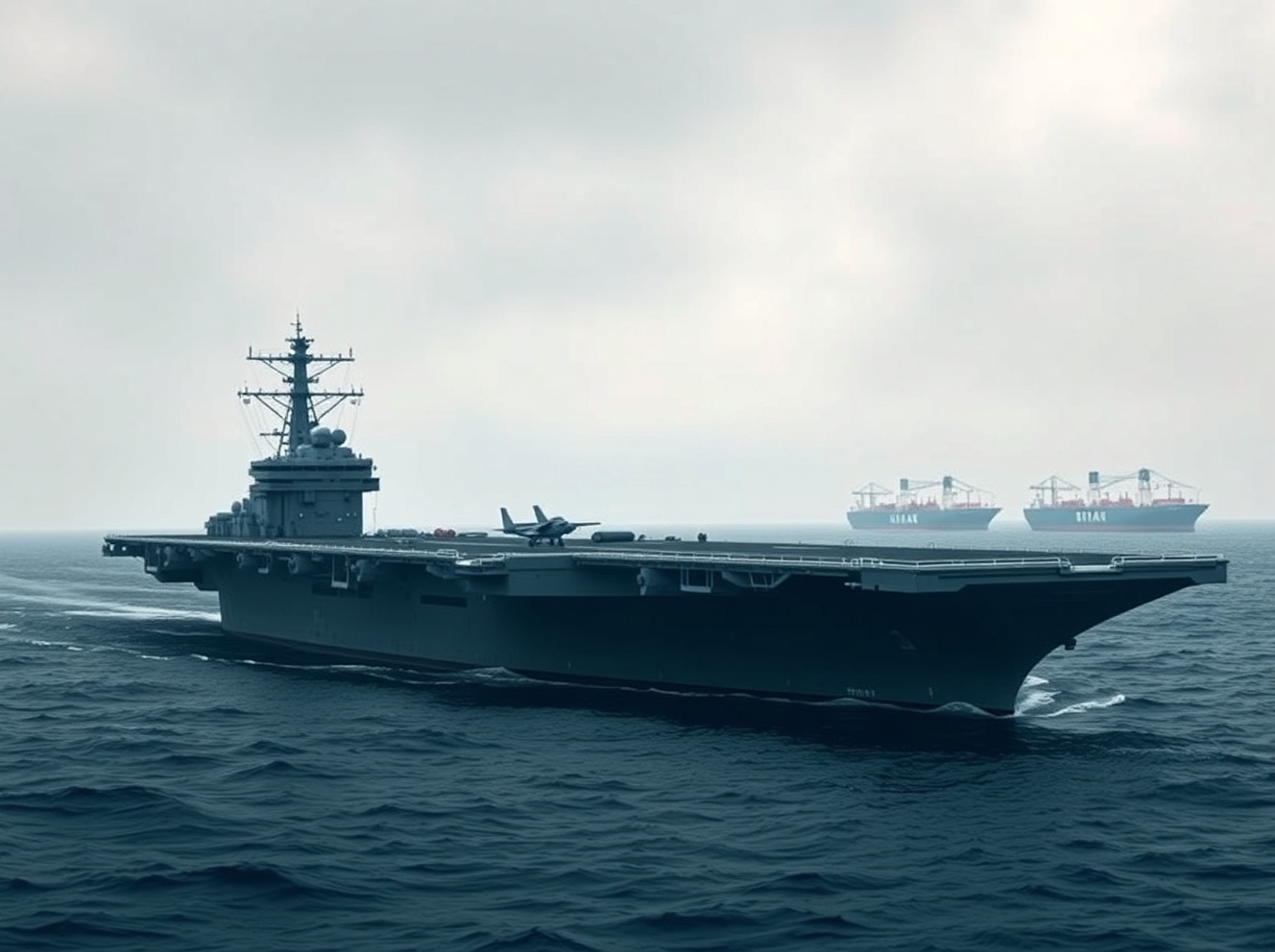
WTI Crude Oil Surges Near $105.00 as Trump Enforces Iran Naval Blockade: Energy Markets Under Pressure
WTI crude oil prices climbed to near $105.00 per barrel on Tuesday, marking a sharp increase driven by renewed geopolitical tensions. The move follows former President Donald Trump’s announcement of a naval blockade against Iran. This action disrupts key shipping routes in the Strait of Hormuz, a critical chokepoint for global oil supplies. The blockade directly threatens approximately 20% of the world’s daily oil transit. Markets reacted swiftly, with traders pricing in significant supply disruption risks. This development places immediate upward pressure on energy costs worldwide.
WTI Crude Oil Reacts to Iran Naval Blockade Announcement
The price of West Texas Intermediate (WTI) crude oil surged past the $105 mark in early trading. This represents a gain of over 4% within a single session. The catalyst is Trump’s executive order to enforce a naval blockade on Iranian ports. This action prevents Iranian oil tankers from leaving or entering the country’s territorial waters. The Strait of Hormuz, a narrow passage between Oman and Iran, now faces heightened military presence. Analysts warn that any physical confrontation could escalate quickly, further squeezing supply. The blockade also threatens Iran’s ability to export crude to its primary buyers, including China and India. These nations now face potential shortages and higher import costs.
Understanding the Iran Naval Blockade and Its Impact on Oil Markets
A naval blockade is a wartime tactic that restricts maritime traffic to and from a specific area. In this context, the U.S. Navy will intercept and inspect vessels bound for Iranian ports. The stated goal is to halt Iranian oil exports and curb the country’s nuclear ambitions. However, the immediate effect is a reduction in global oil supply. The International Energy Agency (IEA) estimates that Iran exports roughly 1.5 million barrels per day. Removing this volume from the market creates a significant supply gap. Consequently, oil prices rise as buyers compete for remaining barrels. This situation mirrors the 2019 attacks on Saudi Aramco facilities, which briefly spiked prices by 15%. The current blockade, however, is a sustained policy rather than a one-time event.
Historical Precedents: Oil Blockades and Price Spikes
History shows that naval blockades in oil-rich regions have dramatic price effects. The 1973 Arab oil embargo caused prices to quadruple over several months. More recently, the 2012 EU embargo on Iranian oil pushed Brent crude above $120 per barrel. Each event triggered a period of elevated volatility. The current blockade differs in its unilateral nature, as the U.S. acts without explicit UN approval. This raises legal questions under international maritime law. However, market participants focus on the immediate supply disruption. The blockade also threatens insurance rates for tankers crossing the region. War risk premiums have already doubled, adding to shipping costs. These expenses ultimately pass through to end consumers at the pump.
Global Energy Market Ramifications of the WTI Price Surge
The rise in WTI crude oil prices reverberates across multiple sectors. Airlines, shipping companies, and logistics firms face higher fuel costs. These industries may pass on expenses to customers through surcharges. For example, a 10% increase in jet fuel typically raises airline ticket prices by 3-5%. Similarly, gasoline prices at U.S. pumps could climb above $4.00 per gallon in the coming weeks. This creates inflationary pressure on the broader economy. Central banks, including the Federal Reserve, may need to adjust interest rate policies. Higher energy costs also slow economic growth by reducing disposable income. Consumers spend less on other goods and services. The blockade therefore has both direct and indirect economic consequences.
Supply Chain Disruptions Beyond Crude Oil
The Strait of Hormuz is not only vital for crude oil. It also handles approximately 25% of global liquefied natural gas (LNG) trade. The blockade threatens gas supplies to Japan, South Korea, and European nations. These countries rely on LNG for power generation and heating. A prolonged disruption could trigger energy rationing in some regions. Additionally, the blockade affects petrochemical feedstocks used in plastics and fertilizers. This creates a cascading effect through industrial supply chains. Manufacturers may face raw material shortages and higher input costs. The overall impact extends far beyond the energy sector.
Expert Analysis: Market Dynamics and Future Scenarios
Energy analysts from Goldman Sachs and S&P Global Commodity Insights have issued revised price forecasts. They now expect WTI crude oil to trade between $100 and $120 per barrel in the near term. The exact range depends on the blockade’s duration and enforcement intensity. If the blockade lasts less than 30 days, prices may stabilize around $100. However, a prolonged standoff could push prices above $130. This scenario resembles the 2008 peak when WTI reached $147 per barrel. The key variable is whether Iran attempts to break the blockade using military force. Such an action would likely trigger a broader conflict, sending prices even higher. Conversely, diplomatic negotiations could de-escalate the situation. Markets currently price in a 60% probability of a short-term disruption.
Impact on OPEC+ Production Decisions
The blockade places OPEC+ in a difficult position. The cartel may decide to increase production to compensate for lost Iranian barrels. However, spare capacity is limited, especially among members like Saudi Arabia and the UAE. The group’s ability to ramp up output quickly is constrained by years of underinvestment. Moreover, some OPEC+ members, including Russia, may oppose a production increase. They benefit from higher prices and have geopolitical reasons to support Iran. This internal division could prevent a coordinated response. As a result, the market may remain undersupplied for several months. This supports the case for sustained high oil prices.
Conclusion
The surge in WTI crude oil prices to near $105.00 directly results from Trump’s Iran naval blockade. This action disrupts a critical global oil chokepoint and creates immediate supply risks. The blockade’s impact extends beyond crude to LNG, petrochemicals, and broader economic activity. Analysts expect continued volatility with prices potentially reaching $130 per barrel. Policymakers and consumers must prepare for higher energy costs and potential supply shortages. The situation remains fluid, with diplomatic and military developments likely to shape future price movements. Monitoring the blockade’s enforcement and OPEC+ responses will be essential for understanding market direction.
FAQs
Q1: What is a naval blockade and how does it affect oil prices?
A naval blockade restricts maritime traffic to and from a specific country’s ports. In this case, the U.S. Navy prevents Iranian oil tankers from moving, reducing global oil supply. This supply reduction directly drives oil prices higher as buyers compete for fewer barrels.
Q2: How much oil passes through the Strait of Hormuz daily?
Approximately 17 million barrels of crude oil and petroleum products transit the Strait of Hormuz each day. This represents about 20% of global oil consumption. The strait is also a key route for liquefied natural gas shipments.
Q3: Will gasoline prices increase because of the WTI price surge?
Yes, higher WTI crude oil prices typically lead to higher gasoline prices at the pump. A $10 increase in crude oil per barrel usually raises gasoline prices by about 25 cents per gallon. U.S. drivers may see prices above $4.00 per gallon in the coming weeks.
Q4: How long will the Iran naval blockade last?
The duration is uncertain and depends on political and diplomatic developments. The Trump administration has not specified a timeline. Analysts expect the blockade to last at least several weeks, but it could extend for months if tensions escalate.
Q5: Can OPEC+ increase production to offset the supply loss?
OPEC+ has limited spare capacity to increase production quickly. Saudi Arabia and the UAE hold most spare capacity, but they may be reluctant to use it. The cartel’s ability to compensate for lost Iranian barrels is constrained, which supports higher oil prices.
This post WTI Crude Oil Surges Near $105.00 as Trump Enforces Iran Naval Blockade: Energy Markets Under Pressure first appeared on BitcoinWorld.
