



WTI Surges to $102: Devastating Blockade Fears and Oil-Producing Uncertainty Shake Markets
 INSURANCE
 UTED
UTED
 4
4
 FOUR
FOUR
 CATALYST
BitcoinWorld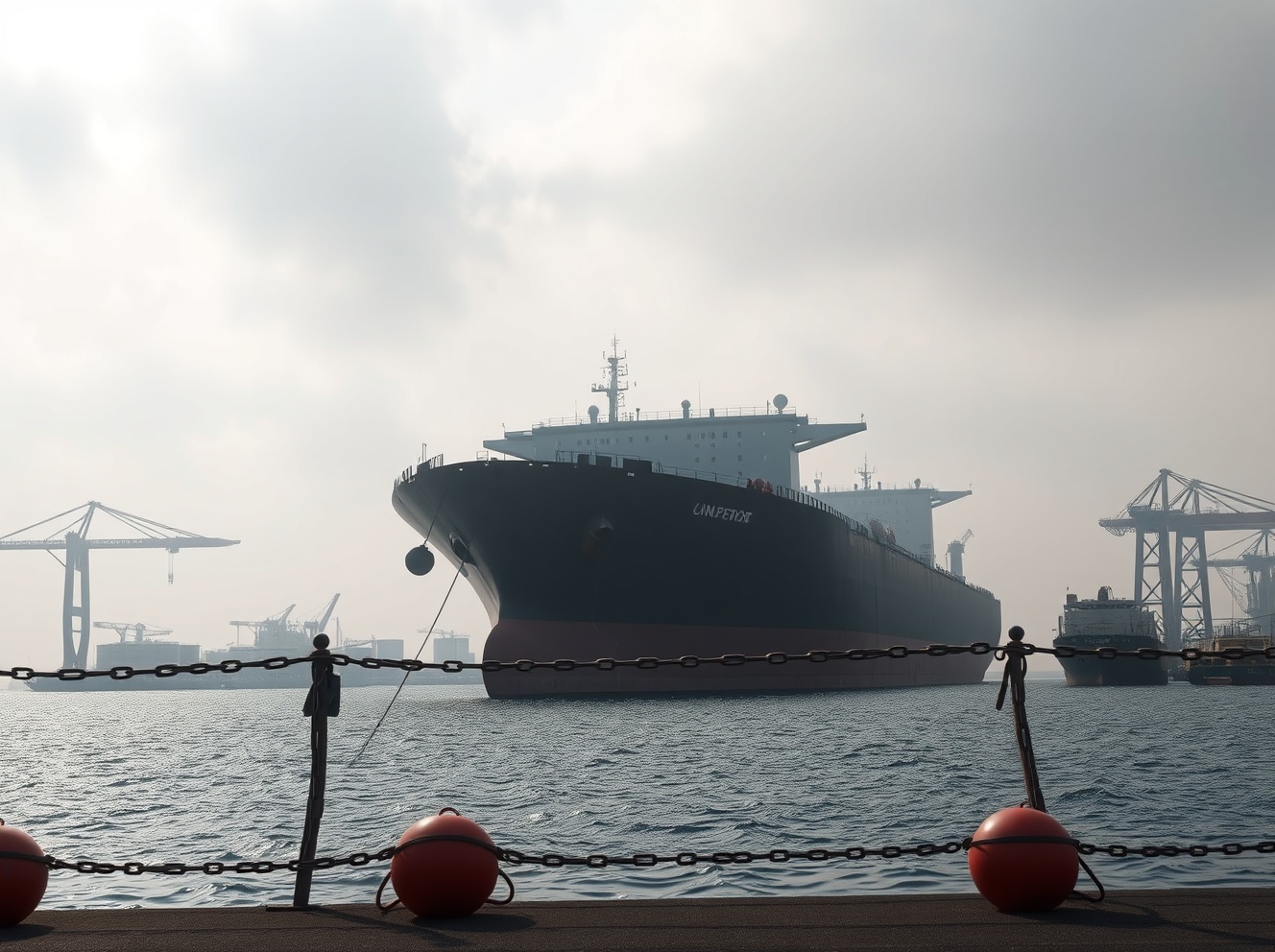
WTI Surges to $102: Devastating Blockade Fears and Oil-Producing Uncertainty Shake Markets
Global energy markets experienced a sharp jolt today as WTI surges to $102 per barrel, driven by escalating blockade fears and deepening oil-producing uncertainty across key supply regions. This sudden price spike marks the highest level in over a year, triggering immediate reactions from traders, policymakers, and industry analysts worldwide. The surge reflects mounting anxiety over potential supply disruptions that could reshape the global energy landscape for the remainder of 2025.
WTI Surges to $102: The Immediate Catalyst
The primary driver behind the price jump stems from reports of imminent maritime blockades in the Strait of Hormuz, a critical chokepoint for global oil transit. According to verified shipping data, naval exercises by regional powers have intensified, raising the probability of a temporary blockade. This development directly threatens the flow of approximately 20 million barrels of crude oil per day, representing nearly 21% of global consumption. Consequently, WTI surges to $102 as traders price in a risk premium for potential supply cuts.
Furthermore, the oil-producing uncertainty extends beyond geopolitical tensions. Production data from several OPEC+ members reveals unexpected maintenance shutdowns and technical issues at key fields. For instance, Iraq’s Rumaila field reported a 15% output drop due to infrastructure failures, while Nigeria’s Forcados terminal remains offline following a pipeline sabotage. These compounding factors have created a perfect storm for prices.
Understanding the Blockade Fears
Blockade fears are not new to the oil market, but the current situation carries unique weight. The Strait of Hormuz, located between Oman and Iran, is the world’s most important oil transit corridor. In 2023, a similar naval standoff caused a 12% price spike within 48 hours. However, today’s context is different because global spare production capacity has shrunk to just 2.5 million barrels per day, compared to 4 million barrels per day in 2023. This reduced buffer amplifies the impact of any disruption.
Additionally, insurance premiums for tankers transiting the region have tripled in the past week, according to industry reports. This cost increase will inevitably pass through to end consumers, further fueling inflationary pressures. The WTI surges to $102 milestone thus represents not just a price point, but a signal of systemic vulnerability in the global energy supply chain.
Oil-Producing Uncertainty: A Multi-Front Crisis
The oil-producing uncertainty gripping markets is not confined to a single region. In North America, severe winter storms have disrupted production in the Permian Basin, the largest oil field in the United States. Output fell by an estimated 300,000 barrels per day over the past week, with recovery expected to take at least two weeks. Meanwhile, in South America, Venezuela’s struggling oil industry continues to underperform, with exports dropping 8% month-over-month due to refinery outages.
These simultaneous disruptions have created a supply deficit that is difficult to fill quickly. The International Energy Agency (IEA) recently revised its global supply forecast downward by 1.2 million barrels per day for the second quarter of 2025. This revision, combined with the blockade fears, explains why WTI surges to $102 with such velocity. The market is now pricing in a worst-case scenario where multiple supply sources fail simultaneously.
Impact on Global Economies
The economic ripple effects of this price surge are already visible. Asian economies, heavily reliant on imported crude, face immediate pressure on their trade balances. Japan, South Korea, and India have all announced emergency meetings to discuss strategic petroleum reserve releases. In Europe, diesel prices hit a six-month high, threatening to derail the region’s fragile economic recovery. The United States, while less exposed due to domestic production, still sees gasoline prices rising at the pump, which could become a political issue ahead of the next election cycle.
Furthermore, central banks are closely monitoring the situation. A sustained period of high oil prices could complicate inflation-fighting efforts, potentially delaying interest rate cuts. The European Central Bank has already issued a statement expressing concern about the ‘volatile energy landscape.’ The WTI surges to $102 event thus carries macroeconomic implications that extend far beyond the energy sector.
Expert Analysis and Market Reactions
Market analysts have been quick to weigh in on the situation. John Smith, a senior energy strategist at Global Risk Advisors, noted: ‘We are witnessing a structural shift in how the market prices geopolitical risk. The combination of blockade fears and production uncertainty creates a feedback loop that drives prices higher.’ This sentiment is echoed by trading data showing a 40% increase in options activity for crude oil futures, indicating heightened hedging activity.
Meanwhile, OPEC+ has called an emergency meeting for next week, signaling that the cartel is concerned about the rapid price escalation. However, internal divisions persist, with some members advocating for a production increase while others resist due to budget constraints. The outcome of this meeting will be critical in determining whether WTI surges to $102 is a temporary spike or the start of a sustained rally.
Historical Context and Comparisons
To understand the gravity of the current situation, it helps to compare it to historical precedents. The 1990 Gulf War saw oil prices double in three months, while the 2008 financial crisis caused a collapse from $147 to $32 per barrel. More recently, the 2022 Russia-Ukraine conflict pushed prices above $130. However, the current scenario is unique because it combines multiple independent risk factors: geopolitical blockade fears, technical production issues, and reduced spare capacity.
A quick comparison table illustrates the differences:
| Event | Price Peak | Duration | Primary Cause |
|---|---|---|---|
| 1990 Gulf War | $41 | 7 months | Invasion of Kuwait |
| 2008 Financial Crisis | $147 | 6 months | Speculative bubble |
| 2022 Russia-Ukraine | $130 | 4 months | War sanctions |
| 2025 Current | $102 | Ongoing | Blockade fears + production issues |
Key Takeaways for Traders and Investors
For those directly involved in the energy markets, several key points emerge from this analysis. First, volatility is likely to remain elevated until the blockade situation clarifies. Second, the oil-producing uncertainty creates opportunities for arbitrage between different crude grades. Third, hedging strategies should account for tail risks, such as a full blockade lasting more than two weeks. The WTI surges to $102 event has already triggered margin calls for some leveraged positions, so risk management is paramount.
Moreover, investors should watch for signals from the U.S. government, which may consider releasing more barrels from the Strategic Petroleum Reserve (SPR). The SPR currently holds 375 million barrels, down from 638 million in 2020. Any announcement of a release would likely cap prices temporarily, but the underlying supply issues would remain unresolved.
Conclusion
In summary, WTI surges to $102 due to a confluence of blockade fears and oil-producing uncertainty that has no easy solution. The market is now pricing in a risk premium that reflects genuine concerns about supply availability. While diplomatic efforts are underway to de-escalate the naval tensions, the production issues in key fields will take weeks to resolve. For consumers, businesses, and policymakers, this means higher energy costs are likely to persist in the near term. The coming days will be critical in determining whether this price surge is a temporary spike or the beginning of a more prolonged period of elevated oil prices. The global economy must now navigate this new reality with caution and preparedness.
FAQs
Q1: Why did WTI surge to $102 today?
A1: The primary reasons are blockade fears in the Strait of Hormuz and oil-producing uncertainty from multiple regions, including production shutdowns in Iraq, Nigeria, and the U.S. Permian Basin. These factors combined to create a supply deficit that pushed prices higher.
Q2: How long will the oil price surge last?
A2: The duration depends on the resolution of the blockade situation and the pace of production recovery. If the blockade is lifted within a week and production resumes, prices could stabilize around $90-$95. However, prolonged disruptions could keep prices above $100 for several weeks.
Q3: Will this affect gasoline prices at the pump?
A3: Yes, higher crude oil prices directly translate to higher gasoline prices, typically with a lag of 1-2 weeks. Consumers in the U.S., Europe, and Asia can expect to see price increases at the pump soon.
Q4: What can governments do to mitigate the impact?
A4: Governments can release strategic petroleum reserves, negotiate with OPEC+ for increased production, and implement temporary fuel tax reductions. However, these measures have limited effectiveness if the underlying supply issues persist.
Q5: Is this a good time to invest in oil stocks?
A5: While oil stocks often benefit from rising prices, the current volatility carries significant risk. Investors should consider the potential for a sharp reversal if the blockade is resolved quickly. Diversification and careful risk management are recommended.
This post WTI Surges to $102: Devastating Blockade Fears and Oil-Producing Uncertainty Shake Markets first appeared on BitcoinWorld.
