This article was first published on TurkishNY Radio. Florida is taking a new approach to tackling cryptocurrency ATM fraud, and the change could reshape how crypto kiosk businesses operate ac
This article was first published on TurkishNY Radio.
Florida is taking a new approach to tackling cryptocurrency ATM fraud, and the change could reshape how crypto kiosk businesses operate across the United States.
Under HB 505, now signed into law as Chapter 2026-178, the state has introduced a framework that goes beyond warning users about scams.
The new Florida crypto ATM law requires operators to limit transactions, provide detailed receipts, register with regulators, and in some cases refund customers who lose money to fraud.
The legislation reflects growing concern over the role crypto ATMs play in financial scams, particularly those targeting older adults and first-time cryptocurrency users.
While most provisions will not take effect until January 2027, the law is already drawing attention from regulators and industry participants nationwide.
How the Florida Crypto ATM Law Tightens ATM Rules
The push behind the Florida crypto ATM law comes after years of rising complaints linked to cryptocurrency kiosks.
According to the FBI’s Internet Crime Complaint Center (IC3), Florida recorded 1,213 complaints involving cryptocurrency kiosks in 2025, with adjusted losses reaching approximately $32.8 million.
Nationwide, reported losses tied to crypto ATM-related scams approached $389 million.
Scammers often instruct victims to deposit cash into crypto ATMs and send digital assets to wallet addresses controlled by criminals. Because blockchain transactions are generally irreversible, victims rarely recover their funds once the transfer is completed.
State lawmakers concluded that warning signs alone were not enough to address the problem.

Florida Crypto ATM Law Shifts Scam Costs to Operators in 2027
Florida Crypto ATM Law Introduces New Refund Rights
The most notable feature of the Florida crypto ATM law is a requirement that could shift part of the financial risk from consumers to kiosk operators.
Beginning January 1, 2027, operators must provide a full refund for a customer’s first crypto ATM transaction if that transaction is connected to fraud and specific reporting requirements are met.
To qualify, the customer must notify both the operator and law enforcement within 60 days and provide documentation such as a police report or notarized affidavit. Once those conditions are satisfied, the operator has 72 hours to issue a refund.
This provision marks a significant departure from traditional crypto risk models, where consumers typically bear the full responsibility for losses resulting from scams.
By introducing refund obligations, the Florida crypto ATM law creates a direct financial incentive for operators to strengthen fraud detection and customer screening procedures.
New Limits Aim to Slow Down Fraudsters
The legislation also introduces transaction caps designed to reduce the amount of money scammers can extract from victims in a single day.
New customers will be limited to $2,000 in daily transactions, while existing customers may transact up to $10,000 per day across one or more kiosks.
In addition, operators must display clear scam warnings before transactions begin and ask customers whether they have already conducted transactions at other kiosks that same day.
Supporters argue these measures could interrupt fraud attempts by creating additional points where suspicious activity can be identified before funds leave a victim’s control.
Registration and Record-Keeping Become Mandatory
Beyond transaction controls, the Florida crypto ATM law introduces stricter oversight of kiosk businesses.
Operators will be required to register with Florida’s Office of Financial Regulation and maintain records demonstrating compliance with transaction limits, disclosure requirements, and refund obligations.
Customers must also receive detailed receipts that include transaction information, fees, wallet addresses, exchange rates, and business contact details.
For regulators, these requirements create a clearer audit trail when investigating complaints or reviewing operator conduct.
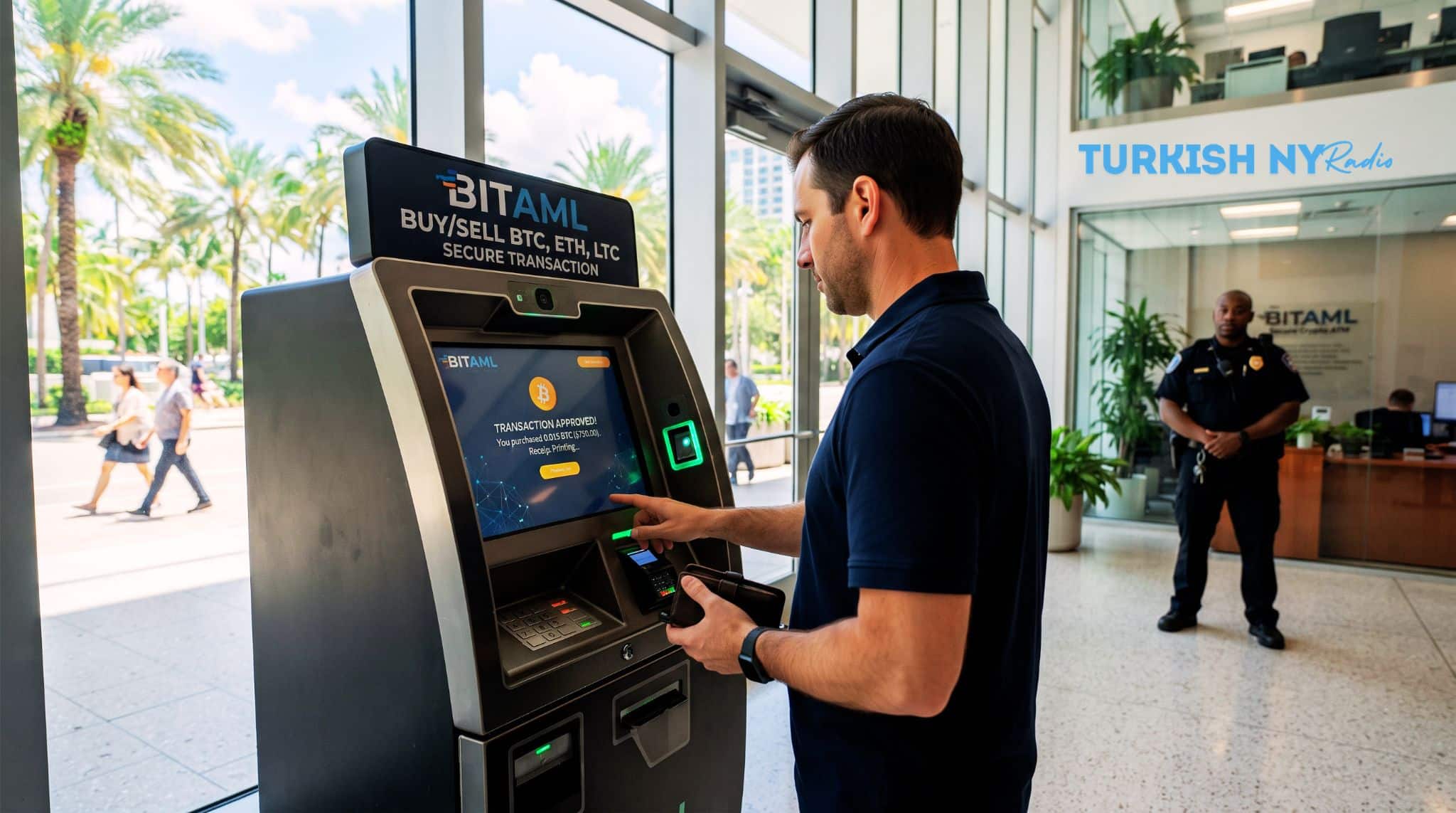
Florida Crypto ATM Law Shifts Scam Costs to Operators in 2027
Could Florida’s Model Spread Across the U.S.?
Florida’s new framework arrives as lawmakers in Washington are considering similar measures.
In June 2026, Representatives Sean Casten and Maria Elvira Salazar introduced the Stop Crypto ATM Scams Act, which proposes transaction limits, fraud warnings, receipts, and refund mechanisms at the federal level.
Although that proposal has not yet become law, Florida’s experience could influence future national policy discussions.
The real test will come after implementation begins in 2027. If operators can absorb the added compliance costs while reducing fraud, the Florida crypto ATM law may become a template for other states.
If businesses respond by reducing kiosk availability or increasing fees, regulators elsewhere will need to consider whether the trade-off is worthwhile.
For now, Florida has made its position clear preventing crypto ATM fraud is no longer solely the customer’s responsibility. Under the state’s new rules, operators will share part of that burden as well.
Summary
- Florida is changing how crypto ATM scams are handled by placing more responsibility on kiosk operators instead of leaving victims to absorb all losses.
- Starting in 2027, crypto ATM businesses will need to follow stricter rules, including fraud warnings, transaction limits, detailed receipts, and regulatory registration.
- First-time users who fall victim to scams may qualify for a full refund if they report the incident and provide supporting evidence.
- The law could influence how other states approach crypto ATM consumer protection in the future.
Glossary of Key Terms
1. Crypto ATM
A crypto ATM is a machine that allows you to buy cryptocurrency using cash or a bank card. It looks much like a regular ATM, but instead of dispensing money, it helps you purchase digital assets.
2. Cryptocurrency
Cryptocurrency is digital money that exists online rather than in physical form. Unlike traditional currencies, it isn’t issued by a bank. Well-known examples include Bitcoin and Ethereum.
3. Scam
A scam is a dishonest scheme designed to trick people into sending money or sharing sensitive information. Many crypto ATM scams involve criminals pretending to be trusted figures, such as government officials or customer support representatives.
4. Refund
A refund is money returned to you after a transaction. Under Florida’s new rules, some first-time crypto ATM users who are victims of scams may be able to recover their funds.
5. Transaction Limit
A transaction limit is a spending cap that restricts how much money can be transferred in a certain period. It acts as a safety measure to help prevent large losses from fraud.
6. Receipt
A receipt is proof that a transaction took place. Just like a receipt from a store, it includes useful details such as the amount spent, fees charged, and transaction information.
7. Registration
Registration is the process of officially enrolling a business with regulators before it can operate. This helps authorities monitor crypto ATM providers and ensure they follow consumer protection rules.
8. Compliance
Compliance simply means following the rules. For crypto ATM operators, this includes showing fraud warnings, keeping accurate records, respecting transaction limits, and meeting legal requirements designed to protect customers.
FAQs About Florida Crypto ATM Law
What is the Florida crypto ATM law?
The Florida crypto ATM law introduces new safeguards for crypto ATM users, including scam warnings, transaction limits, detailed receipts, and refund protections for eligible victims.
Can I get my money back if I’m scammed through a crypto ATM?
Possibly. First-time users may qualify for a full refund if they report the scam within 60 days and submit proof, such as a police report.
What changes will crypto ATM operators have to make?
Operators will need to follow stricter rules, including showing fraud alerts, limiting transaction amounts, providing receipts, keeping records, and handling eligible refund requests.
When do the new Florida crypto ATM law rules start?
Most of the law takes effect on January 1, 2027, while registration requirements begin on March 1, 2027, giving businesses time to adjust.
ReferencesAARP
IC3
U.S House of Representative