This article was first published on TurkishNY Radio. A seed phrase is one of the first things every crypto user sees when setting up a self-custody wallet. It usually appears as 12 or 24 simp
This article was first published on TurkishNY Radio.
A seed phrase is one of the first things every crypto user sees when setting up a self-custody wallet. It usually appears as 12 or 24 simple words, but those words carry serious responsibility.
If your phone breaks, your laptop is stolen, or your wallet app stops working, this phrase may be the only way to recover your crypto.
That is also what makes it risky as a seed phrase can protect your wallet when stored correctly, but it can also expose everything if it falls into the wrong hands.
Why a Seed Phrase Matters More Than a Password
Many beginners assume a crypto wallet works like a normal online account. It does not. A password may unlock the wallet app on one device, but it usually cannot recover the wallet if the device is lost.
A seed phrase works differently as it is the master backup for the wallet. When entered into a compatible wallet, it can recreate the private keys linked to your crypto addresses. Those keys are what allow transactions to be signed and funds to be moved.
This means one simple rule matters most: whoever controls the seed phrase controls the wallet.

Can a Seed Phrase Really Keep Your Crypto Safe From Theft?
How a Seed Phrase Rebuilds Your Crypto Wallet
The idea behind seed phrases comes from wallet standards such as BIP-39, which introduced human-readable recovery words for crypto wallets. Instead of asking users to copy long cryptographic strings, wallets generate a list of words that can later recreate the wallet’s master seed.
From that master seed, the wallet can generate private keys, public keys, and addresses. This is why one backup can restore several accounts inside the same wallet.
For example, a user may have Bitcoin, Ethereum, stablecoins, and tokens connected to one wallet setup. If the phrase is restored correctly, the wallet can find those accounts again. If the phrase is lost, those assets may become unreachable.
Is a Seed Phrase Really Safe?
Yes, the technology is strong when the phrase is generated correctly by a trusted wallet. A properly created seed phrase is not something attackers can realistically guess.
The bigger danger is not guessing. It is exposure.
Most losses happen because users take screenshots, save the words in cloud storage, type them into fake websites, or share them with someone pretending to be wallet support. In these cases, the cryptography is not broken. The backup is simply leaked.
That is why wallet security depends less on the number of words and more on how carefully those words are stored.
12 Words or 24 Words: What Should Users Know?
Some wallets generate 12-word phrases, while others use 24 words. A 24-word phrase offers more entropy, but both formats can be secure when created by reliable wallet software or hardware.
For everyday users, the most important point is simple a safely stored 12-word phrase is better than a 24-word phrase saved as a screenshot.
Hardware wallets often use longer phrases and keep signing keys away from internet-connected devices. Still, even a hardware wallet depends on the user protecting the backup phrase offline.
How to Store a Seed Phrase Safely
The safest approach is usually offline storage. Writing the phrase on paper is simple, but paper can burn, fade, or be thrown away. Metal backup plates are stronger because they can survive fire and water damage better than paper.
Some users keep backups in more than one secure place. Others use advanced options such as multi-signature wallets or Shamir backups, where recovery information is split into several parts.
These methods can help, but they also add complexity. If the owner or family cannot understand the recovery plan, the setup may fail when it is needed most.
A good backup plan should answer three questions. Where is the phrase stored? Who can access it? What happens if the owner is unavailable?
What You Should Never Do With a Seed Phrase
A seed phrase should never be typed into a website, sent in a message, stored in screenshots, or shared with customer support. Real wallet support teams do not need your recovery words to help you.
Users should also be careful with fake airdrops, wallet-sync pages, browser popups, and social media messages. These scams often pressure people to “verify” or “restore” a wallet by entering their recovery words.
Once a phrase is exposed, the safest move is to create a new wallet and transfer funds from a clean device.
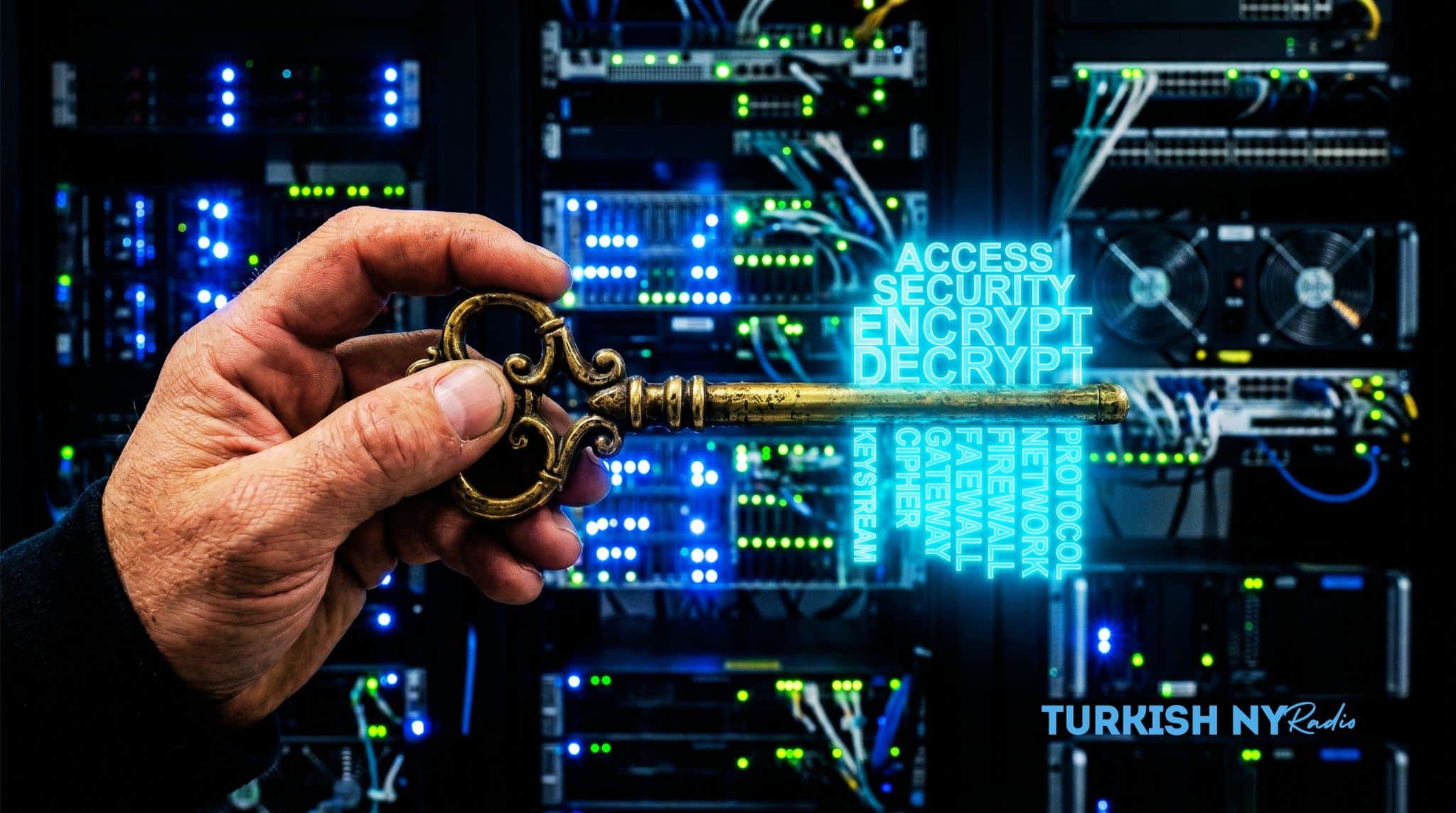
Can a Seed Phrase Really Keep Your Crypto Safe From Theft?
The Bottom Line
A seed phrase is powerful because it gives users full control over their crypto. That control comes with responsibility. There is usually no bank, exchange, or support desk that can reverse a mistake if the phrase is lost or stolen.
For new crypto users, the best protection is not complicated. Use a trusted wallet, write the words down carefully, keep them offline, never share them, and test recovery before there is an emergency.
A seed phrase can keep your wallet safe, but only if you treat it like the key to everything.
Summary
- A seed phrase is the most important backup for a crypto wallet, giving users a way to regain access if their device is lost or stops working.
- These recovery words act as the key to your digital assets and should be protected carefully.
- Most crypto losses happen because users accidentally expose their seed phrases to scammers or insecure storage methods.
- Keeping the phrase offline and testing recovery can prevent costly mistakes.
- In self-custody, safeguarding your seed phrase is just as important as protecting your funds.
Glossary of Key Terms
1. Seed Phrase
A seed phrase is a list of recovery words that serves as the backup for your crypto wallet. If your device is lost, stolen, or damaged, these words can help restore access to your funds.
2. Private Key
A private key is like the secret key to a safe. It allows you to approve transactions and access your cryptocurrency. Anyone who gets it can control your assets.
3. Self-Custody Wallet
A self-custody wallet gives you full ownership of your crypto. Instead of relying on an exchange, you are responsible for managing your wallet, keys, and recovery phrase.
4. BIP-39
BIP-39 is a widely used standard that turns complex wallet data into a series of easy-to-read recovery words. It helps make wallet backups simpler and easier to manage.
5. Hardware Wallet
A hardware wallet is a physical device built to keep private keys offline. It adds an extra layer of protection by reducing exposure to online threats and scams.
6. Wallet Address
A wallet address is similar to a bank account number for cryptocurrency. It can be shared with others so they can send funds to your wallet safely.
7. Multi-Chain Wallet
A multi-chain wallet lets users manage assets across different blockchains from one place. Many support networks such as Bitcoin, Ethereum, and Solana under a single wallet.
8. Phishing Attack
A phishing attack is a scam designed to steal sensitive information. Fraudsters often use fake websites, emails, or messages to trick users into revealing wallet credentials.
FAQs About Seed Phrase
1. What does a seed phrase actually do?
A seed phrase is your wallet’s recovery backup. If you lose your phone, computer, or wallet app, these words can help you regain access to your crypto.
2. Can I get my crypto back if I lose my seed phrase?
If the wallet is no longer accessible and there is no backup, recovery is usually not possible. That’s why storing your seed phrase safely is so important.
3. What is the safest way to store a seed phrase?
Most security experts recommend writing it down and keeping it offline in a secure location. Avoid saving it in screenshots, emails, or cloud storage.
4. What happens if someone sees my seed phrase?
Anyone who has your seed phrase can potentially access your wallet and move your funds. If exposure is suspected, create a new wallet and transfer assets immediately.
ReferencesGitHub
TREZOR
bips