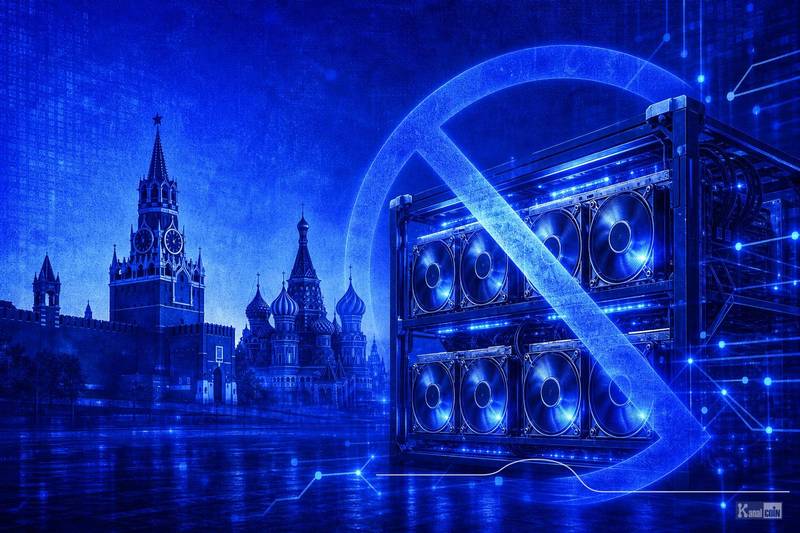
Russia has expanded its crypto mining ban to include Moscow, with the restriction set to run through 2032, according to an official government document published on the state legal portal. Th
Russia has expanded its crypto mining ban to include Moscow, with the restriction set to run through 2032, according to an official government document published on the state legal portal. The move widens an existing prohibition rather than creating a separate measure, bringing the capital region into scope for the first time.
What changed in Russia's crypto mining ban
The update extends an existing crypto mining ban rather than introducing a new standalone rule, according to the document published on Russia's official legal information portal. That framing matters: it signals continuity of policy rather than a fresh regulatory experiment. For related coverage, see UK Crypto Banking Inquiry: What Lawmakers Are Probing.
Moscow is the newly highlighted location. The capital's inclusion is the central development, folding one of the country's most economically significant regions into the mining restriction.
The measure is framed as lasting through 2032. That end date sets a clear, long-dated horizon for how long the restriction is intended to hold, as reflected in the government publications record.
Why Moscow's inclusion matters for the crypto mining sector
Adding Moscow raises the weight of the announcement. Naming the capital, rather than only remote or energy-strained regions, broadens the reach of the policy and signals a firmer regulatory stance.
The 2032 endpoint points to long-term planning implications. A multi-year horizon gives miners and related businesses a fixed period to account for, rather than a short, temporary pause that might soon lapse.
Industry watchers are likely to track the change closely because it lands amid a broader shift in how Russia treats digital assets, following steps to legalize crypto with market impact still unclear and ongoing legislative work as the State Duma prepares final readings for a crypto bill. Related developments, including a Sberbank crypto wallet plan, underscore how quickly the domestic policy picture is moving.
What readers should watch next
The most immediate open question is scope: which specific mining activities or operators the ban covers within Moscow. The government publication is the primary reference point for those details as they are clarified.
Implementation and review of the timeline through 2032 is the second watchpoint. Readers will want to see how the end date is enforced or revisited over the coming years, per Russian state coverage of the measure.
Finally, whether further regional or national policy details emerge will shape how significant this step proves. Russia's approach continues to diverge from neighboring frameworks, including efforts to align crypto exchanger monitoring in Ukraine with MiCA-style rules, making each new document worth close reading.
Disclaimer: This article is for informational purposes only and does not constitute financial or investment advice. Cryptocurrency and digital asset markets carry significant risk. Always do your own research before making decisions.
Read original article on kanalcoin.com