A Thai businessman has sued Tether over a $42.4 million USDT freeze that a lawsuit says was imposed months before a related U.S. warrant, escalating a dispute over how the world's largest sta
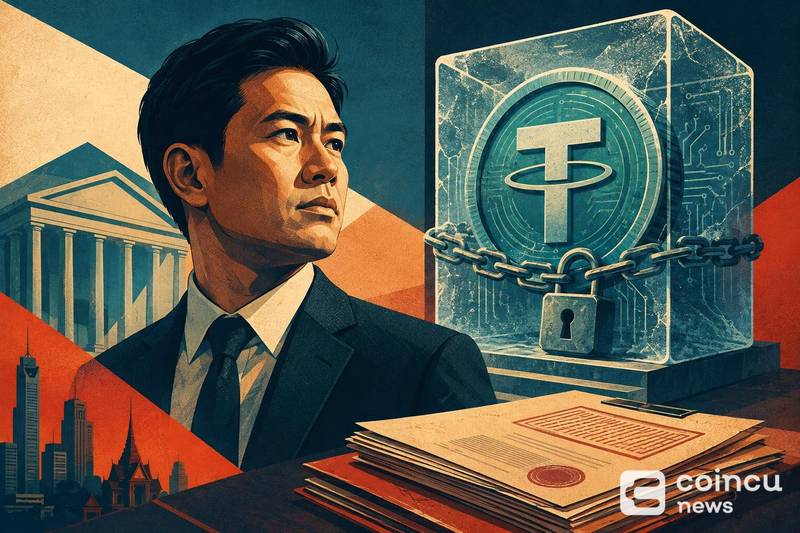
A Thai businessman has sued Tether over a $42.4 million USDT freeze that a lawsuit says was imposed months before a related U.S. warrant, escalating a dispute over how the world's largest stablecoin issuer restricts access to funds on centralized rails.
The complaint, filed as Rukthammachalern et al. v. Tether Holdings, S.A. de C.V. et al., is docketed on the federal court tracker PacerMonitor, which lists Tether Holdings among the named defendants. The plaintiffs are seeking relief tied to the frozen balance. For related coverage, see Revolut Receives Conditional OCC Approval for U.S. National Bank Charter.
The freeze was allegedly executed several months before a U.S. warrant connected to the funds, according to CoinDesk's reporting on the filing. That timeline is the central factual claim the plaintiffs are advancing, and it has not been independently confirmed by the court. For related coverage, see Bitcoin Above $77,500 as XRP Leads Majors, Fed Hike Odds Fall to 62%.
Why the timing of the freeze is the pivot of the case
The dispute turns on control rather than solvency: USDT holders do not custody the issuer's ability to blacklist an address, so a freeze removes a wallet's power to move tokens even while the balance remains visible on-chain. For related coverage, see Eightco Holdings (NASDAQ: ORBS) Reports Total Holdings of Approximately $380 Million, Includes OpenAI, Beast Industries, More Than 16,000 ETH and Nearly 302 Million WLD Tokens.
The plaintiffs' claim that the restriction predated the U.S. warrant, per the CoinDesk account, is what makes the timing material, because it frames the action as issuer-initiated rather than compelled by a specific enforcement instrument at the moment it occurred. Whether that sequence holds up is a question for the docket, not a settled fact.
At this stage the freeze amount and the identity of the plaintiff are the only concrete anchors; the legal theory, the requested remedy, and Tether's defenses will surface as filings accumulate on the case record.
What an issuer freeze means for USDT holders
Tether retains the technical ability to freeze USDT at the contract level, a power it has exercised repeatedly, including when it froze $131 million in USDT tied to Iran's central bank. The current suit tests the boundaries of that authority when a holder disputes the basis or timing of the action.
For traders and builders, the case is a reminder that centralized stablecoin balances carry counterparty and compliance risk that non-custodial assets do not, a distinction that grows more relevant as Tether expands its corporate footprint, including a $20 million investment in Argentine digital bank Uala.
Tether had not issued a public response addressed in the available reporting at the time of the CoinDesk write-up, so its position on the allegations is not yet on record.
What to watch next
The immediate milestone is Tether's answer or motion to dismiss, which would define whether the company contests the alleged pre-warrant timeline or defends the freeze on compliance grounds. Docket updates on PacerMonitor are the primary place those steps will appear.
Readers should treat the pre-warrant sequencing as an unconfirmed plaintiff allegation until the court record substantiates it.
FAQ
What is the lawsuit about? A Thai businessman is suing Tether over a $42.4 million USDT balance that was frozen, with the complaint filed against Tether Holdings and docketed on PacerMonitor.
Why was the USDT reportedly frozen? The exact stated basis is not confirmed in the available record; the plaintiffs allege the freeze occurred months before a related U.S. warrant, according to CoinDesk.
Can Tether freeze USDT? Yes. Tether can blacklist addresses at the smart-contract level, a capability it has used in prior enforcement-linked actions.
What happens next? Tether's formal response, filed as an answer or motion, is the next concrete step and will appear on the case docket.
Disclaimer: This article is for informational purposes only and does not constitute financial or investment advice. Cryptocurrency and digital asset markets carry significant risk. Always do your own research before making decisions.
The post Thai Businessman Sues Tether Over $42.4M USDT Freeze was initially published on Coincu.