Threshold Network paused all new Bitcoin deposits, tBTC minting, and Bitcoin redemption requests on October 30, 2026, locking holders out of converting their tokenized Bitcoin back to real BT
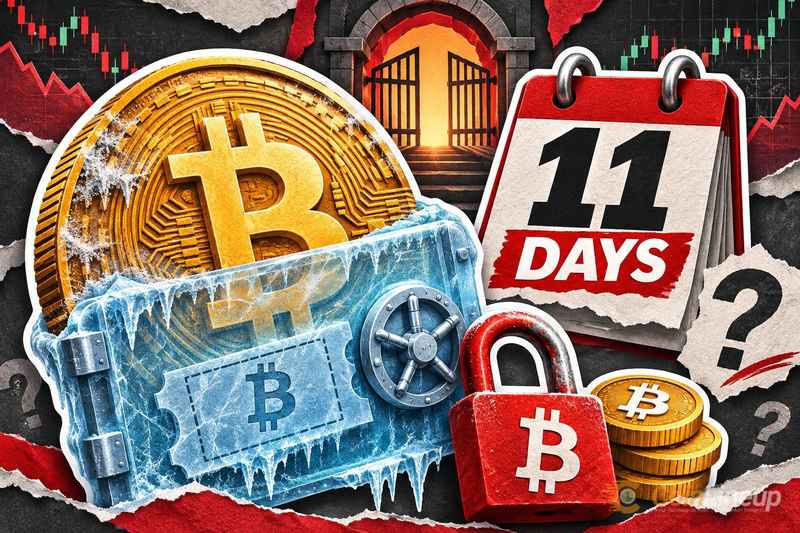
Threshold Network paused all new Bitcoin deposits, tBTC minting, and Bitcoin redemption requests on October 30, 2026, locking holders out of converting their tokenized Bitcoin back to real BTC for 11 days. The freeze, which lasted until November 10, 2026, exposed a risk that many BTC-backed token holders had not fully considered: even a fully collateralized bridge can become temporarily irredeemable when the people running it face an infrastructure emergency.
What Happened During Threshold's 11-Day Bitcoin Redemption Freeze
Threshold Network is the team behind tBTC, a token designed to represent Bitcoin on the Ethereum blockchain. When you hold tBTC, you are supposed to be able to exchange it for real Bitcoin at any time. That is the entire promise of a "BTC-backed token." On October 30, Threshold paused that exchange mechanism as a precautionary step during security maintenance, according to its official announcement on X. For related coverage, see Pons (PONS) Review 2026: The #1 Token Launchpad on Robinhood Chain, Complete Beginner's Guide.
The root cause, reported by CryptoNews, was a Linux kernel vulnerability. Every tBTC node operator, the distributed network of servers that secures the bridge, either patched their machines or took nodes offline. Without enough operators running, the bridge could not safely process new redemptions or deposits. Context on this theme: US Bitcoin ETF Logs 1,488 BTC Outflow, Ethereum ETF Sheds 62,184 ETH in Single Day.
Importantly, holding, transferring, or using existing tBTC was not affected. The token itself still moved freely on Ethereum. What stopped working was the exit ramp back to Bitcoin.
The on-chain bridge resumed operations on November 8, 2026, nine days after the pause. Full redemptions, including the app interface, were restored on November 10, 2026, completing an 11-day interruption.
Why Redemption Access Is Central to BTC-Backed Token Confidence
A BTC-backed token works in three steps: a user deposits real Bitcoin into a bridge, receives a token representing that Bitcoin on another blockchain (like Ethereum), and can later redeem that token to get their Bitcoin back. The token's value is meant to stay close to Bitcoin's spot price because that exchange is always available. Remove the exchange, and the token becomes a promise rather than a claim.
During the freeze, Threshold confirmed the backing remained intact. The team stated that 4,320 BTC sat in bridge wallets against roughly 4,185 tBTC in circulation, a surplus of about 135 BTC with no unauthorized minting detected. The Bitcoin was there. Users simply could not reach it.
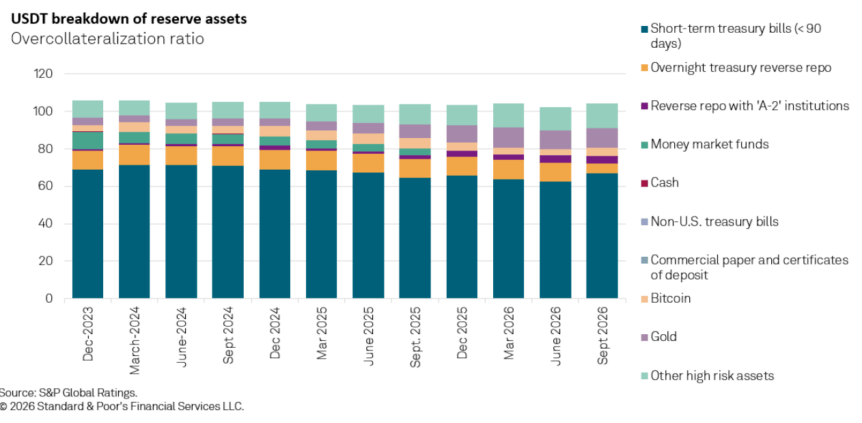
That distinction matters for anyone comparing BTC-backed tokens. Over-collateralization protects against loss. It does not protect against a temporary inability to redeem. A period of falling Bitcoin prices combined with a redemption freeze would pressure holders who want to exit but cannot.
According to Blockonomi, on October 31 Aave's guardian multisig froze approximately $136.6 million worth of tBTC, roughly 1,760 tBTC, on Aave's Ethereum V3 Core market. That represented about 42% of all circulating tBTC. When a bridge pauses, lending protocols that accept the token as collateral face the same liquidity problem: if borrowers cannot redeem their collateral for the underlying asset, the collateral's real value becomes uncertain.
Risk manager Gauntlet also withdrew approximately 65,000 USDC from a Morpho lending market backed by tBTC collateral during the freeze, with around 640,000 USDC remaining, according to the same Blockonomi report. These are automated risk management systems doing exactly what they are designed to do, but the speed of their reaction illustrated how quickly a bridge pause can ripple into lending markets. Broad crypto markets were already under pressure at the time, with the Crypto Fear & Greed Index sitting at 10 out of 100, a reading labeled "Extreme Fear" by Alternative.me.
One source reported that tBTC markets on Base and Arbitrum were already frozen prior to the October 2026 event, though this detail comes from a single source and broader context remains unclear.
What BTC-Backed Token Holders Should Watch After a Redemption Halt
The tBTC incident is not a story about fraud or missing funds. It is a story about operational dependency. The bridge relied on a distributed network of node operators running software on physical or virtual servers. Those servers ran an operating system with a known vulnerability. That infrastructure layer, invisible to most token holders, determined whether redemptions worked on a given day.
This is a different category of risk from smart contract exploits or custodian misconduct. It sits in the gap between "the funds are safe" and "you can access the funds right now." Anyone holding a BTC-backed token through a bridge should ask: who runs the nodes, what happens if they go offline, and how long has that happened before?
LlamaRisk, a DeFi risk assessment firm, had already assigned tBTC a "moderate risk" rating before this incident. That pre-existing rating became a condition for Aave's decision-making around the market freeze, according to Blockonomi's reporting. Third-party risk assessments, while imperfect, can serve as an early signal for holders evaluating BTC-backed token protocols.
Threshold's response, keeping reserves intact, communicating reserves publicly, and restoring operations within 11 days, sets a rough benchmark. The underlying asset remained accessible to anyone holding it directly. The lesson from this episode is straightforward: a tokenized version of Bitcoin adds infrastructure between you and your Bitcoin, and that infrastructure can go offline even when the Bitcoin behind it is safe.
Editorial credits
TC
Thorne Callahan
Editor · CoinLineup
Monitors published articles around the clock and can correct or withdraw them.
Checked by CoinLineup QC Team before publishing on November 19, 2026 for headline accuracy, original value, factual consistency, metadata and authorship claims: our AI review system checks every article before it goes live, and our editor monitors it after publication. Report an error.
CoinLineup uses AI for research, drafting and review. Our editorial team is responsible for every article and corrects or withdraws articles when needed. How we review.
Disclaimer: This article is for informational purposes only and does not constitute financial or investment advice. Cryptocurrency and digital asset markets carry significant risk. Always do your own research before making decisions.
Read original article on coinlineup.com